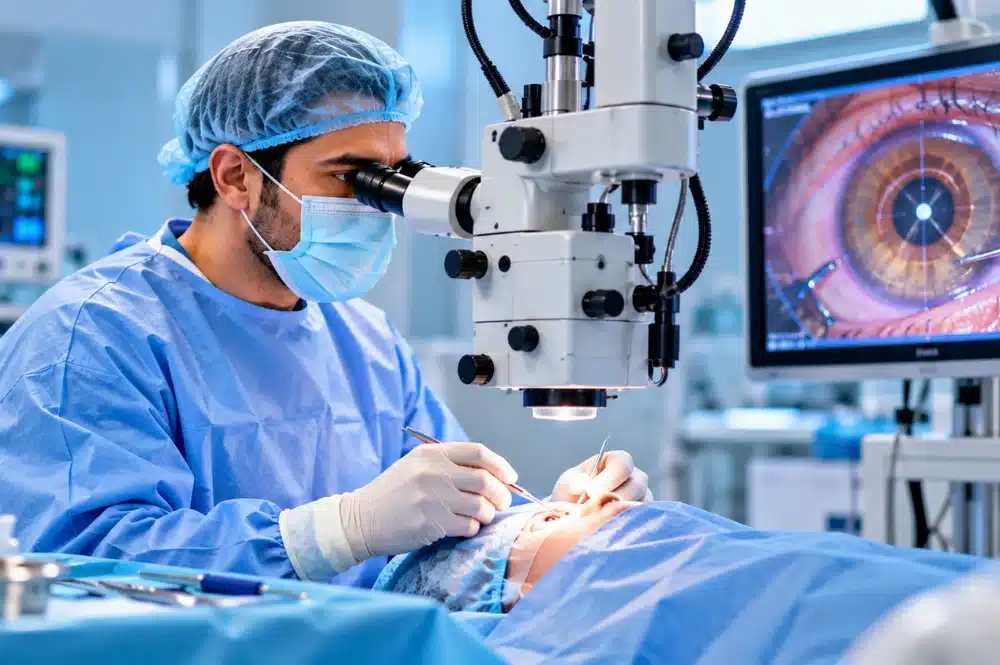
Best Eye Surgeon in Lahore | When Should You Consult One?
Good eyesight is essential for everyday activities, including reading, driving, working, and maintaining independence. However, eye conditions such as cataracts, glaucoma, retinal disorders, and other vision-related problems can affect eye health and quality of life. When symptoms persist or require specialized assessment, consulting a qualified eye surgeon becomes important.
Patients searching for the best eye surgeon in Lahore should consider the doctor’s qualifications, experience with their particular eye condition, and approach to diagnosis and treatment. The most suitable eye surgeon is not necessarily the same for every patient, as different eye diseases may require different areas of expertise.
An ophthalmologist is a medical doctor trained to diagnose and treat eye diseases, prescribe appropriate treatments, and perform eye surgery when qualified to do so. Unlike routine vision testing, ophthalmology care also involves evaluating conditions that may threaten eyesight or require medical intervention.
When Should You Visit an Eye Surgeon?
An eye surgeon or ophthalmologist may be consulted when patients experience:
- Gradually worsening or blurred vision.
- Difficulty seeing clearly at night or increased sensitivity to glare.
- Persistent eye discomfort, redness, or visual disturbances.
- Suspected cataracts, glaucoma, or retinal problems.
- Vision changes associated with diabetes or other medical conditions.
- An eye condition for which surgery has been recommended.
Some eye symptoms require immediate attention. Sudden vision loss, severe eye pain, a sudden increase in flashes or floaters, or a dark curtain across the vision should be assessed urgently, as these may indicate serious eye conditions. For patients seeking an eye surgeon in Lahore, Saleem Memorial Hospital Lahore has an Ophthalmology Department where qualified consultants provide specialist evaluation for eye diseases and vision-related concerns.
Common Eye Conditions Treated by Ophthalmologists
An ophthalmologist diagnoses and manages various eye conditions affecting vision, eye comfort, and long-term eye health. Some problems can be treated with medication or monitoring, while others may require specialist procedures or surgery.
Cataracts and Cloudy Vision
A cataract occurs when the eye’s natural lens gets clouded up, thus impairing vision gradually. The usual signs that people experience include blurry vision, having trouble seeing during the nighttime, experiencing glare, and even changes in color vision. People usually acquire cataracts through aging, but there are cases wherein a person can have cataracts because of injury, medication, or another medical problem. In some cases, where a cataract affects normal activities, doctors would suggest surgery.
Glaucoma and Increased Risk of Vision Loss
Glaucoma is an eye disorder that results in optic nerve damage and causes vision loss. Many types of glaucoma occur slowly without any apparent warning signs; therefore, eye exams are recommended for those who are at risk of developing the condition. The goal of treatment is to minimize the risk of damage to the optic nerve, and it involves prescribed eye drops, laser treatment, and surgery in some cases.
Diabetic Eye Disease and Retinal Problems
Diabetes can damage the small blood vessels in the retina, potentially causing diabetic retinopathy and vision problems. Early stages may produce no noticeable symptoms, so regular dilated eye examinations are important for people living with diabetes.
Other retinal conditions may cause distorted vision, flashes, floaters, or sudden visual changes. An eye specialist in Lahore can assess these symptoms and determine whether further investigations or specialist retinal care are needed.
Dry Eyes, Eye Infections and Other Vision Concerns
Dry eyes may manifest in symptoms such as burning, irritation, changes in vision, and grittiness. Infections of the eyes may present with symptoms like redness, discharge, inflammation, or discomfort. Other conditions that ophthalmologists examine include eyelid disorders, squints, and problems with eye movements. It is important to have a proper diagnosis early on if one’s symptoms become worse, recur, or begin interfering with activities.
How to Choose the Best Eye Surgeon in Lahore for Your Condition
The choice of an eye surgeon is an important decision, especially when the proposed treatment requires an operation that may have some effect on your eyesight. Patients need to consider verified medical credentials, appropriate clinical expertise, and the quality of the assessment rather than depend only on their ranking on the Internet and the surgeon’s claims. The selection of a competent eye surgeon depends on their medical credentials, specialization, and experience in the management of certain eye diseases.
The complete eye examination allows detection of the disease and finding the most suitable treatment. The eye surgeon needs to inform patients about the options for treatment, the results that can be achieved, and the risks associated with the chosen treatment. Prior to eye surgery, patients should be aware of the recovery process, risks and complications, and after-care treatment.
Choose an Eye Specialist Based on Your Needs
People searching for the best eye doctor in Lahore or best eye specialist in Lahore should prioritize a consultant whose expertise matches their medical needs. Similarly, patients looking for an eye specialist near me should consider both accessibility and access to appropriate clinical assessment.
Saleem Memorial Hospital Lahore’s Ophthalmology Department provides an option for patients seeking specialist eye consultations. Reviewing the hospital’s official consultant profiles can help patients identify a suitable doctor and confirm appointment availability.
What to Look for in an Eye Hospital in Lahore
Choosing a suitable eye hospital is important for accurate diagnosis, effective treatment, and long-term vision care. Patients searching for the best eye hospital in Lahore should consider the availability of qualified ophthalmologists, appropriate diagnostic facilities, surgical expertise, and follow-up services.
An efficient eye examination center should offer a complete eye examination and the opportunity to conduct necessary investigations like eye pressure examination, retina evaluation, and others as may be required from a clinical perspective to diagnose issues like cataract, glaucoma, and diabetic eye disease.
Another important aspect that the patient must keep in mind is the strategy followed by the hospital in terms of patient safety, effective communication, and post-surgical care. The Ophthalmology Department at Saleem Memorial Hospital Lahore is a good choice in this regard.
Preparing for an Eye Surgery Consultation and Recovery
Preparing for an eye surgery consultation helps patients understand their condition, treatment options, and expected recovery. Before visiting an eye surgeon in Lahore, patients should bring previous eye reports, prescriptions, and information about existing medical conditions or medications.
In the course of consultation, the doctor can conduct an extensive eye exam and suggest further tests based on the diagnosis. The patient has to ask about the reason for the proposed operation, its dangers, possible alternatives, and the duration of recovery.
The recovery period depends on the specific kind of surgery and the general condition of a person’s eyes. Adherence to medication instructions, avoidance of the prohibited activities, and regular visits to follow-ups contribute to the process of recovery. Patients have to consult their doctor in case of eye pain or vision loss following the operation.
Eye Surgeons and Ophthalmology Care at Saleem Memorial Hospital Lahore
Saleem Memorial Hospital Lahore has a dedicated Ophthalmology Department with qualified consultants providing specialist evaluation and treatment for various eye conditions. Patients looking for the best eye surgeon in Lahore can review the qualifications and expertise of the hospital’s ophthalmologists to identify a suitable specialist for their needs.
Dr. Zahid Kamal | Consultant Ophthalmologist
Qualifications: MBBS, FCPS (Ophthalmology), Fellowship from the Royal College of Surgeons (Edinburgh), MCPS (HPE).
Dr. Zahid Kamal specializes in cataract surgery, squint repair, eye cancer management, oculoplastic and orbital surgery, and refractive procedures. His areas of expertise include surgical management of selected eye conditions affecting vision, eye alignment, and surrounding structures.
Dr. Muhammad Saeed | Consultant Ophthalmologist
Qualifications: MBBS, FCPS (Ophthalmology).
Dr. Muhammad Saeed specializes in cataract surgery, glaucoma surgery, refractive surgery using excimer laser, squint and ptosis surgery, and dacryocystorhinostomy (DCR). His documented expertise also includes selected retinal surgery and YAG and Argon laser procedures.
Consult an Eye Surgeon at Saleem Memorial Hospital Lahore
Selecting an ophthalmologist with proper credentials and experience is one of the key considerations in safeguarding your vision. Regardless of whether you require an examination for cataracts, glaucoma, or other eye disorders, a visit to a specialist will help determine appropriate treatment solutions.
Patients can contact Saleem Memorial Hospital Lahore, located on Canal Road, opposite Green Forts II, to confirm consultant availability and arrange an appointment.
FAQs
Who is the best eye surgeon in Lahore for cataract surgery?
The most suitable cataract surgeon depends on the patient’s eye condition and individual needs. Dr. Zahid Kamal and Dr. Muhammad Saeed are ophthalmologists at Saleem Memorial Hospital Lahore whose documented expertise includes cataract surgery.
What is the difference between an ophthalmologist and an eye specialist?
An ophthalmologist is a medically qualified eye specialist who diagnoses and treats eye diseases and can perform surgery when appropriately trained. The term eye specialist is broader and may be used informally for different eye care professionals.
Which eye conditions require surgery?
Cataracts, certain types of glaucoma, retinal disorders, squint, and some eyelid conditions may require surgery. The decision depends on the diagnosis, severity, and response to other treatments.
How do I choose the best eye doctor in Lahore?
Consider the ophthalmologist’s qualifications, relevant clinical expertise, diagnostic approach, communication, and follow-up care. Choose a specialist experienced in managing your particular eye condition.
Is cataract surgery safe, and how long does recovery take?
Cataract surgery is generally considered safe, but complications are possible. Many patients notice visual improvement within days, while complete healing often takes several weeks. Recovery varies by individual.
When should I visit an eye surgeon instead of an optometrist?
An ophthalmologist is appropriate when you have suspected eye disease, significant vision changes, persistent eye symptoms, or a condition that may require medical or surgical treatment.
Which eye surgeons are available at Saleem Memorial Hospital Lahore?
Saleem Memorial Hospital Lahore has qualified ophthalmologists, including Dr. Zahid Kamal and Dr. Muhammad Saeed, with expertise in cataract surgery, glaucoma treatment, refractive procedures, and other specialized eye conditions.