
Social and public issues in Pakistan are deeply interconnected, creating a web of challenges that affect the nation’s overall well-being. From the struggle of poverty that robs families of basic needs to the stigma surrounding mental health that leaves millions suffering in silence, these issues create a harsh reality for many. In addition, rapid urbanization, gender inequality, and environmental degradation continue to add pressure to an already strained system. These problems do not stand alone; they are part of a larger cycle that affects public health, shortens life expectancy, and prevents the country from reaching its full potential. It is time for change, and it requires the collective effort of every citizen, organization, and government body to break free from this cycle and create a healthier, more equitable future for all. Below is a detailed exploration of these issues.
Poverty and Economic Inequality
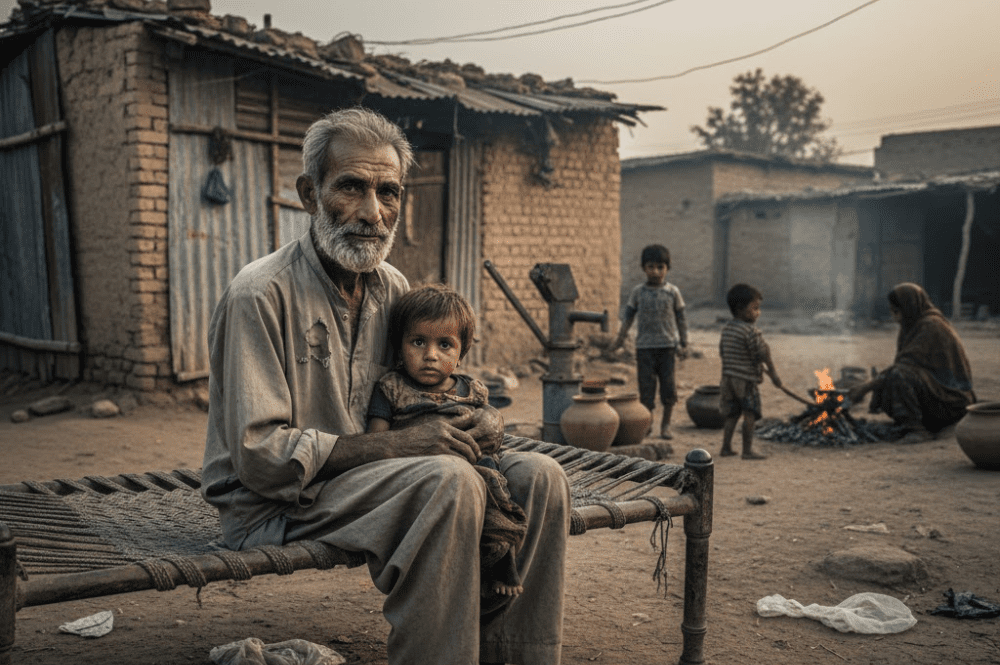
Poverty stands as one of the most powerful drivers of poor health outcomes across the country. A large portion of the population lives below or near the poverty line, which directly limits access to nutritious food, safe drinking water, basic medicines, and timely medical care. Families frequently choose between buying medicine and buying food, leading to untreated chronic conditions and preventable complications. Malnutrition becomes widespread, especially among children and pregnant women, weakening immune systems and increasing vulnerability to infections. In rural areas, poverty forces long, expensive journeys to reach even basic health facilities, often resulting in delayed diagnosis and treatment of diseases such as tuberculosis, diabetes complications, and maternal emergencies. Urban slums suffer similar barriers, where overcrowding and lack of sanitation amplify the spread of waterborne and respiratory illnesses. Economic inequality also means that the poorest households bear the highest out-of-pocket health costs, pushing many into debt or forcing them to skip essential follow-up care entirely. Breaking this cycle requires targeted poverty alleviation programs, subsidized essential medicines, expanded cash transfer schemes, and stronger community health outreach.
Gender Inequality and Women’s Health Disadvantage
Gender norms continue to create significant disadvantages for women’s health throughout Pakistan. Many women still require permission from male family members to seek medical care, which delays treatment for reproductive health problems, chronic illnesses, and emergencies. Maternal mortality remains unacceptably high because of late arrival at facilities, lack of skilled birth attendants in rural areas, and complications such as postpartum hemorrhage that go unmanaged. Lower female literacy rates contribute to poorer health knowledge, higher fertility rates, and widespread anemia among women of reproductive age. Cultural taboos around discussing reproductive health, mental health, infertility, postpartum depression, or even breast cancer symptoms keep many women silent and untreated. Breast and cervical cancer detection often occurs at advanced stages because of stigma and lack of routine screening. Empowering women through education, increasing the number of female health workers, promoting community awareness, and enforcing policies that protect women’s right to healthcare are essential steps toward closing this gap.
Rapid Urbanization, Overcrowding, and Environmental Degradation
Pakistan ranks among the fastest-urbanizing countries in South Asia, and this rapid growth brings serious public health consequences. Unplanned settlements and slums frequently lack reliable clean water, proper sanitation, solid waste management, and adequate drainage systems, which fuel recurrent outbreaks of cholera, typhoid, hepatitis A and E, and dengue fever. Air pollution in major cities such as Lahore, Karachi, and Faisalabad consistently ranks among the worst globally, directly contributing to rising rates of chronic obstructive pulmonary disease, asthma, lung cancer, and cardiovascular disease.
Heatwaves, which are becoming more frequent and intense due to climate change, cause heatstroke, dehydration, and worsening of heart and kidney conditions, especially among outdoor workers and the elderly. Major floods, such as those in 2022 that affected over 33 million people, destroy health infrastructure, contaminate water sources, and trigger spikes in malaria, dengue, diarrheal diseases, and skin infections. Addressing these environmental risks requires stricter pollution controls, investment in green urban planning, improved waste management, climate-resilient health systems, and widespread promotion of protective measures during extreme weather events.
Mental Health Stigma and Systemic Neglect
Mental health remains one of the most neglected areas of public health in Pakistan. Depression, anxiety disorders, post-traumatic stress disorder, and other conditions affect millions, yet they are rarely acknowledged or treated. Social stigma labels mental illness as weakness, madness, or a spiritual failing, which discourages people from seeking professional help. Families often turn to faith healers, traditional remedies, or unqualified practitioners instead of evidence-based care. Suicide rates are rising but remain severely under-reported because of social shame and legal taboos. The country has an extremely low number of trained psychiatrists and psychologists, especially outside major cities, and mental health services receive only a tiny fraction of the national health budget. Untreated mental illness worsens physical diseases, reduces productivity, increases substance abuse, and places heavy burdens on families. Reducing stigma through national awareness campaigns, integrating mental health into primary care, training more professionals, and normalizing conversations about emotional well-being are critical steps forward.
Low Health Literacy and Widespread Misinformation
Limited formal education and low health literacy affect a large segment of the population, making it difficult for people to understand disease prevention, recognize warning signs, or follow treatment plans correctly. Myths about modern medicine, vaccination safety, chronic disease management, and the role of diet and exercise persist widely. Misinformation spreads rapidly through social media and word of mouth, leading to vaccine hesitancy, delayed care-seeking, overuse of antibiotics, and reliance on quacks or unregistered practitioners. These practices contribute to antimicrobial resistance, complications from untreated conditions, and unnecessary deaths. School-based health education, mass media campaigns, community workshops, and training of lady health workers can gradually improve understanding and decision-making. When people are better informed, they adopt preventive behaviors, seek timely care, and follow medical advice more consistently.
Weak Governance, Corruption, and Fragmented Health Systems
Systemic governance issues continue to undermine progress in health. Coordination between federal and provincial authorities remains inconsistent following the 18th Amendment, which devolved health responsibilities. Corruption diverts funds intended for medicines, equipment, salaries, and facility upgrades. Ghost workers and ghost schools waste resources that could improve real service delivery. Political interference sometimes overrides evidence-based decisions, while preventive public health receives far less priority than curative hospital care. Fragmentation between vertical programs (polio, TB, HIV) and general health services creates inefficiencies and gaps in coverage. Strengthening accountability, increasing transparent budgeting, enforcing anti-corruption measures, prioritizing primary and preventive care, and building resilient systems capable of withstanding disasters and climate shocks are necessary to overcome these structural barriers.
These social and public issues do not exist in isolation. They reinforce public health in Pakistan, which poses challenges and makes solutions more difficult. Meaningful improvement requires coordinated action across government sectors, civil society, private providers like Saleem Memorial Hospital Lahore, international partners, and communities themselves. Only through sustained, multi-sectoral efforts can Pakistan break the cycle and move toward a healthier, more equitable future.
Effective Solutions to Pakistan’s Social and Public Issues
Pakistan, a country full of diversity, faces numerous social and public challenges that hinder its progress. From access to education and healthcare to unemployment and gender inequality, these issues require urgent attention. However, the good news is that there are actionable solutions that can make a meaningful difference. By addressing these problems with practical, human-centered approaches, we can create a brighter future for all Pakistanis. In this article, we will explore key issues and present solutions to tackle them effectively. At Saleem Memorial Hospital, Lahore, we believe that addressing public health and education issues is essential for a better future.
Improved Education Access
One of the most pressing issues in Pakistan is the lack of access to quality education, especially in rural and underserved areas. Despite efforts, a significant portion of the population remains illiterate, which limits their ability to secure better jobs and contribute to the economy. Investing in education is a long-term solution that can address many of the country’s social issues. Improving school infrastructure, providing free or affordable textbooks, and offering online learning platforms are some ways to ensure that every child has an opportunity to learn and grow.
Additionally, teacher training programs are crucial to enhancing the quality of education. Well-trained teachers can make a huge difference in student outcomes, providing not only academic knowledge but also life skills. Introducing digital classrooms and offering scholarships for higher education can also play a major role in breaking the cycle of poverty. By focusing on education, Pakistan can build a strong, skilled workforce ready to tackle the country’s challenges. This focus on education is not only important for individuals but for improving the overall healthcare infrastructure.
Strengthening Healthcare Services
Pakistan’s healthcare system faces significant challenges, particularly in rural areas where access to medical care is limited. Many people suffer from preventable diseases due to a lack of proper healthcare facilities. To solve this issue, the government must invest in public healthcare infrastructure and ensure that quality healthcare is available to everyone, especially in underserved areas. Expanding mobile health units and telemedicine services can also provide essential medical care to remote regions, ensuring that no one is left behind.
Furthermore, ensuring affordable healthcare is a key step toward improving public health. The government can collaborate with private sector players and NGOs to provide subsidies or free healthcare services to the most vulnerable populations. Strengthening the training and capacity of healthcare professionals through ongoing education and providing better medical equipment will also significantly improve healthcare outcomes. By focusing on equitable healthcare access, Pakistan can create a healthier and more prosperous society. At Saleem Memorial Hospital Lahore, we are dedicated to providing high-quality care to our community, and we understand the importance of strengthening healthcare services across the nation.
Creating Employment Opportunities
Unemployment remains one of the biggest issues in Pakistan, particularly for the youth. Lack of job opportunities leads to frustration and economic instability. To solve this problem, the government must focus on creating an environment that fosters entrepreneurship and supports small businesses. Offering financial incentives and low-interest loans to startups can help young people build their own businesses and contribute to economic growth.
Additionally, vocational training and skills development programs can equip the youth with the necessary tools to enter the workforce. The government, along with private institutions, should offer job placement services and apprenticeships to ensure that young people find meaningful employment. By focusing on job creation, Pakistan can tackle poverty, improve living standards, and provide economic stability for its citizens.
Promoting Gender Equality
Gender inequality is a major social issue in Pakistan, with women facing challenges in education, employment, and decision-making roles. A comprehensive approach to promote gender equality is essential for the country’s progress. The government must focus on equal access to education for girls, ensuring they are not left behind. By building more schools for girls and providing scholarships, we can empower women and girls to pursue their dreams and break down traditional gender barriers.
Moreover, it is essential to encourage women’s participation in the workforce and in leadership roles. Providing safe working environments, equal pay, and leadership development programs can help women achieve their full potential. Supporting women’s rights through legislation and fostering a culture of respect and equality will also help change societal attitudes toward women. When women thrive, society thrives, leading to a more inclusive and prosperous future for Pakistan.
Sustainable Environmental Practices
Pakistan is facing an environmental crisis, with issues like deforestation, water scarcity, and air pollution affecting millions of people. One of the most effective solutions to these environmental issues is promoting sustainable farming practices. By encouraging farmers to use eco-friendly techniques such as organic farming and crop rotation, we can reduce the use of harmful pesticides and fertilizers, which are damaging to both the environment and public health.
Furthermore, Pakistan must take a more active role in addressing climate change by implementing policies that focus on reducing carbon emissions and conserving natural resources. The government should support the development of renewable energy sources like wind and solar power to reduce reliance on fossil fuels. Public awareness campaigns about the importance of recycling, energy conservation, and environmental protection can also help create a culture of sustainability. By prioritizing environmental conservation, Pakistan can ensure a healthier planet for future generations. At Saleem Memorial Hospital Lahore, we are also focused on adopting sustainable practices in healthcare to reduce our environmental impact.
Conclusion
Addressing social and public issues in Pakistan requires a collective effort across sectors like education, healthcare, and governance. Issues such as poverty, gender inequality, environmental degradation, and mental health stigma are deeply interconnected and need urgent action. Solutions must focus on providing equal access to services, especially for marginalized communities. Organizations like Saleem Memorial Hospital Lahore, play a vital role in improving healthcare access and advocating for better policies. With collaboration between government, civil society, and the private sector, Pakistan can overcome these challenges and work towards a healthier, more equitable future for all.
Frequently Asked Questions
What are the current social issues in Pakistan?
Current social issues in Pakistan include poverty, gender inequality, limited access to quality healthcare, rapid urbanization, and environmental degradation. These problems are deeply interconnected, affecting both the economy and public health.
What are 5 issues in today’s society?
Key social issues today include economic inequality, mental health stigma, climate change, racial discrimination, and inadequate healthcare systems. Each of these challenges affects the quality of life and well-being of many communities.
What are the major social issues?
Major social issues include poverty, education inequality, gender discrimination, unemployment, and poor access to healthcare. These issues are complex and require coordinated efforts to address effectively.
What are some examples of public issues?
Public issues include inadequate public health infrastructure, unemployment, environmental pollution, access to clean water, and human rights violations. These problems impact society on a large scale, affecting overall well-being.
What are social issues for students?
For students, social issues often involve bullying, mental health challenges, lack of educational resources, and pressure from societal expectations. Addressing these concerns is crucial for their development and well-being.
What is a current issue in today’s society?
One current issue is the rise in mental health concerns, particularly in the wake of the pandemic. Stigma, lack of awareness, and insufficient mental health services are making it harder for people to seek help.
What is the biggest socio-economic issue of Pakistan?
The biggest socio-economic issue in Pakistan is poverty, which limits access to education, healthcare, and basic resources. This cycle of poverty is compounded by inequality and poor infrastructure, hindering economic growth.