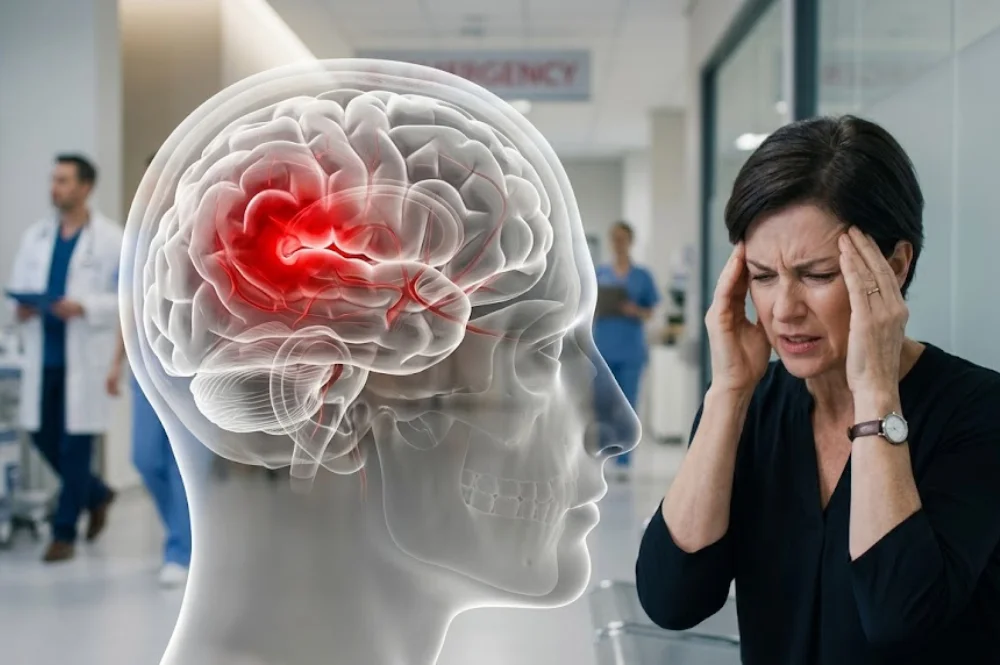
Understanding brain hemorrhage is becoming more important than ever, as cases are rising not only globally but also across Pakistan, with an increasing number of young individuals being affected. Many people still ask what is a brain hemorrhage and fail to recognize its seriousness until it leads to sudden and life-threatening situations. In simple terms, a brain hemorrhage refers to bleeding inside the brain, which can disrupt normal brain function and lead to severe complications or even death if not treated immediately.
One of the most concerning aspects of this condition is its sudden nature. Many patients appear healthy but may unknowingly have underlying risk factors such as high blood pressure, stress, or unhealthy lifestyle habits. This lack of awareness often results in delayed diagnosis, making outcomes more dangerous. That is why educating people about the meaning of brain hemorrhage, its causes, and early warning signs is critical in saving lives.
At Saleem Memorial Hospital Lahore, specialists frequently encounter patients with emergency neurological conditions, including brain hemorrhage. The hospital is equipped with modern diagnostic facilities and experienced medical professionals who provide timely care and treatment. Raising awareness through reliable information and encouraging early medical consultation can significantly reduce the risk of severe complications and improve survival rates.
What is a Brain Hemorrhage?
A brain hemorrhage is a serious medical condition that occurs when a blood vessel in the brain ruptures, causing bleeding within or around the brain tissue. This bleeding puts pressure on brain cells, leading to damage that can affect speech, movement, memory, and other vital functions. Understanding the brain hemorrhage meaning helps individuals recognize how dangerous this condition can be if not treated promptly.
There are different ways this condition can develop. Sometimes, weakened blood vessels burst due to long-term strain, while in other cases, injuries or medical conditions can trigger sudden bleeding. Regardless of the cause, a brain hemorrhage is considered a medical emergency that requires immediate attention.
The severity of a brain hemorrhage depends on the location and extent of bleeding. Some cases may present mild symptoms initially, while others can lead to rapid deterioration and loss of consciousness. Early diagnosis and quick medical response are essential to minimize damage and improve recovery chances.
Brain Hemorrhage Meaning in Urdu
Brain hemorrhage کو اردو میں “دماغ میں خون بہنا” کہا جاتا ہے۔ یہ ایک خطرناک طبی حالت ہے جس میں دماغ کے اندر یا اس کے ارد گرد خون بہنے لگتا ہے، جس کی وجہ سے دماغی خلیات کو نقصان پہنچتا ہے۔ یہ حالت اچانک پیدا ہو سکتی ہے اور فوری طبی امداد کی ضرورت ہوتی ہے۔
اگر سادہ الفاظ میں سمجھا جائے تو brain hemorrhage meaning in Urdu یہ ہے کہ دماغ کی کسی نالی کے پھٹ جانے کی وجہ سے خون باہر نکل کر دماغ پر دباؤ ڈالنے لگتا ہے۔ اس دباؤ کی وجہ سے دماغ صحیح طریقے سے کام نہیں کر پاتا، جس سے بولنے، چلنے پھرنے اور سوچنے کی صلاحیت متاثر ہو سکتی ہے۔
brain hemorrhage in Urdu کی علامات میں اچانک شدید سر درد، چکر آنا، جسم کے ایک حصے میں کمزوری، بولنے میں مشکل، اور بے ہوشی شامل ہو سکتی ہیں۔ ان علامات کو نظر انداز کرنا خطرناک ہو سکتا ہے، اس لیے فوری طور پر ڈاکٹر سے رجوع کرنا ضروری ہے۔
Types of Brain Hemorrhage
Brain hemorrhage can occur in different areas of the brain, and each type varies in severity and impact. Understanding the brain hemorrhage types helps in identifying the condition more accurately and ensuring proper treatment.
One common type is intracerebral hemorrhage, where bleeding occurs directly within the brain tissue. This is often linked to long-term pressure on blood vessels, which weakens them over time. Another type is subarachnoid hemorrhage, which happens in the space between the brain and the surrounding membranes, often causing a sudden and severe headache.
There are also other forms such as subdural and epidural hemorrhages, which usually occur due to head injuries. Each type affects the brain differently and may require specific treatment approaches depending on the location and severity of the bleeding.
Recognizing these brain hemorrhage types is important because symptoms and risks can vary. Early diagnosis plays a key role in determining the right treatment plan and improving the chances of recovery.
Common Causes of Brain Hemorrhage
Understanding the brain hemorrhage causes is essential for prevention and early awareness. This condition often develops when blood vessels in the brain become weak or damaged over time, eventually leading to rupture and internal bleeding.
One of the most common brain hemorrhage reasons is uncontrolled high blood pressure, which puts continuous strain on blood vessel walls, making them more likely to burst. Other causes include head injuries from accidents, which can lead to sudden bleeding inside the brain. In addition, lifestyle factors such as smoking, excessive stress, and unhealthy eating habits can weaken blood vessels and increase the risk.
Certain medical conditions, such as aneurysms (bulging blood vessels) and blood clotting disorders, can also contribute to the development of brain hemorrhage. In some cases, the exact cause may not be immediately clear, which is why regular health checkups and early diagnosis are important.
By understanding these brain hemorrhage causes, individuals can take preventive steps and reduce the likelihood of serious complications.
Warning Signs and Symptoms of Brain Hemorrhage
Recognizing brain hemorrhage symptoms early can be life-saving. In many cases, symptoms appear suddenly and worsen quickly, making it important to seek immediate medical attention.
Some of the most common warning signs include:
- Sudden and severe headache, often described as the worst headache ever experienced
- Dizziness or loss of balance
- Weakness or numbness, especially on one side of the body
- Difficulty speaking or understanding speech
- Blurred or double vision
- Nausea or vomiting
- Loss of consciousness in severe cases
These brain hemorrhage symptoms should never be ignored, as delays in treatment can lead to permanent brain damage or even death. Immediate medical care can significantly improve outcomes and reduce risks.
Symptoms of Brain Hemorrhage in Urdu
دماغ میں خون بہنے کی علامات کو بروقت پہچاننا بہت ضروری ہے۔ symptoms of brain hemorrhage in Urdu درج ذیل ہو سکتی ہیں:
- اچانک شدید سر درد
- چکر آنا یا توازن کھو دینا
- جسم کے ایک حصے میں کمزوری یا سن ہونا
- بولنے یا سمجھنے میں دشواری
- نظر دھندلا جانا یا دوہرا نظر آنا
- متلی یا قے
- شدید حالت میں بے ہوشی
اگر ان میں سے کوئی بھی علامات ظاہر ہوں تو فوراً ڈاکٹر سے رجوع کرنا چاہیے، کیونکہ یہ حالت جان لیوا ثابت ہو سکتی ہے۔
Is Brain Hemorrhage Painful or Fatal?
One of the most common concerns people have is whether brain hemorrhage death painful. In many cases, a brain hemorrhage can begin with a sudden and extremely severe headache, often described as the worst pain a person has ever experienced. This may be followed by dizziness, confusion, or loss of consciousness depending on the severity of the bleeding.
However, not all cases present the same way. Some individuals may lose consciousness quickly, which can reduce the sensation of prolonged pain. The real danger lies in how rapidly the condition can worsen, leading to serious complications or even death if immediate medical care is not provided.
While brain hemorrhage can be fatal, especially in severe cases, early diagnosis and emergency treatment can significantly improve survival chances. This is why recognizing symptoms and acting quickly is critical in preventing life-threatening outcomes.
Why Brain Hemorrhage is Increasing in Young People
In recent years, there has been a noticeable rise in brain hemorrhage in young adults, which is a growing concern. Many young individuals assume they are not at risk, but modern lifestyle factors are contributing significantly to this trend.
High stress levels, long working hours, lack of sleep, and excessive screen time are common issues that affect overall health. Poor dietary habits, including frequent consumption of fast food and low physical activity, also play a major role. In addition, many young people are unaware of underlying conditions like high blood pressure, which can silently damage blood vessels over time.
Smoking and unhealthy coping mechanisms for stress further increase the risk. Combined, these factors weaken the body and make individuals more vulnerable to serious conditions like brain hemorrhage. Increasing awareness and encouraging healthier lifestyles are essential to reducing this growing risk among younger populations.
Brain Hemorrhage Treatment Options
Effective brain hemorrhage treatment depends on the severity, location, and cause of the bleeding. Since this condition is a medical emergency, immediate care is essential to stabilize the patient and prevent further damage.
Treatment often begins with emergency management, where doctors focus on controlling the bleeding and reducing pressure on the brain. This may involve medications to manage symptoms and stabilize vital functions. In more severe cases, surgical procedures may be required to remove accumulated blood or repair damaged blood vessels.
After initial treatment, recovery and rehabilitation become important. Patients may need physical therapy, speech therapy, or ongoing medical care depending on the extent of brain injury. Early and appropriate treatment significantly increases the chances of recovery and reduces long-term complications.
How to Prevent Brain Hemorrhage
Preventing brain hemorrhage largely depends on maintaining a healthy lifestyle and managing underlying risk factors. Small but consistent changes can greatly reduce the risk of this serious condition.
One of the most important steps is keeping blood pressure under control through regular monitoring and medical checkups. A balanced diet rich in fruits, vegetables, and whole foods helps maintain overall health and supports strong blood vessels. Regular physical activity improves circulation and reduces stress levels.
Avoiding smoking and limiting alcohol consumption are also important preventive measures. In addition, managing stress through relaxation techniques, proper sleep, and a healthy routine can significantly improve long-term health.
By adopting these habits, individuals can lower their risk and protect themselves from life-threatening conditions like brain hemorrhage.
When to Seek Emergency Help
A brain hemorrhage requires immediate medical attention, and recognizing when to act can save a life. Do not delay seeking help if you or someone else experiences:
- Sudden and severe headache
- Loss of consciousness
- Weakness or paralysis on one side of the body
- Difficulty speaking or understanding
- Vision problems or confusion
These symptoms indicate a medical emergency. Immediate hospital care is crucial, as early treatment can prevent permanent damage and improve survival chances.
Why Choose the Best Hospital in Lahore for Brain Care
When dealing with a life-threatening condition like brain hemorrhage, choosing the right hospital is critical. Access to experienced doctors, advanced diagnostic tools, and emergency care facilities can make a significant difference in patient outcomes.
At Saleem Memorial Hospital Lahore, patients receive comprehensive care for neurological emergencies. The hospital is equipped with modern technology and skilled medical professionals who are trained to handle critical cases efficiently. From rapid diagnosis to advanced treatment and post-care support, every step is designed to ensure the best possible recovery for patients.
Conclusion
Brain hemorrhage is a serious and potentially life-threatening condition that requires immediate attention and awareness. Understanding its causes, recognizing early symptoms, and taking preventive steps can help reduce the risk and save lives. With the increasing number of cases, especially among young people, it is more important than ever to stay informed and proactive about health.
Early diagnosis and timely treatment can make a life-saving difference. For those seeking expert care and reliable medical support, Saleem Memorial Hospital Lahore provides advanced facilities and experienced professionals dedicated to patient well-being. Taking action today can help protect your health and the health of your loved ones in the future.
FAQs
What is a brain hemorrhage?
A brain hemorrhage is bleeding inside or around the brain caused by a ruptured blood vessel.
What are the main causes of brain hemorrhage?
Common causes include high blood pressure, head injury, weak blood vessels, and unhealthy lifestyle factors.
What are brain hemorrhage symptoms?
Symptoms include severe headache, dizziness, weakness, vision problems, and loss of consciousness.
Is brain hemorrhage painful?
It can start with a severe headache, but in some cases, patients may lose consciousness quickly.
What is the treatment for brain hemorrhage?
Treatment may include emergency care, medication, or surgery, depending on severity.
Can brain hemorrhage be prevented?
Yes, by maintaining a healthy lifestyle and controlling risk factors like blood pressure.
When should I seek medical help?
Seek immediate help if you notice sudden severe headache, weakness, or speech difficulty.