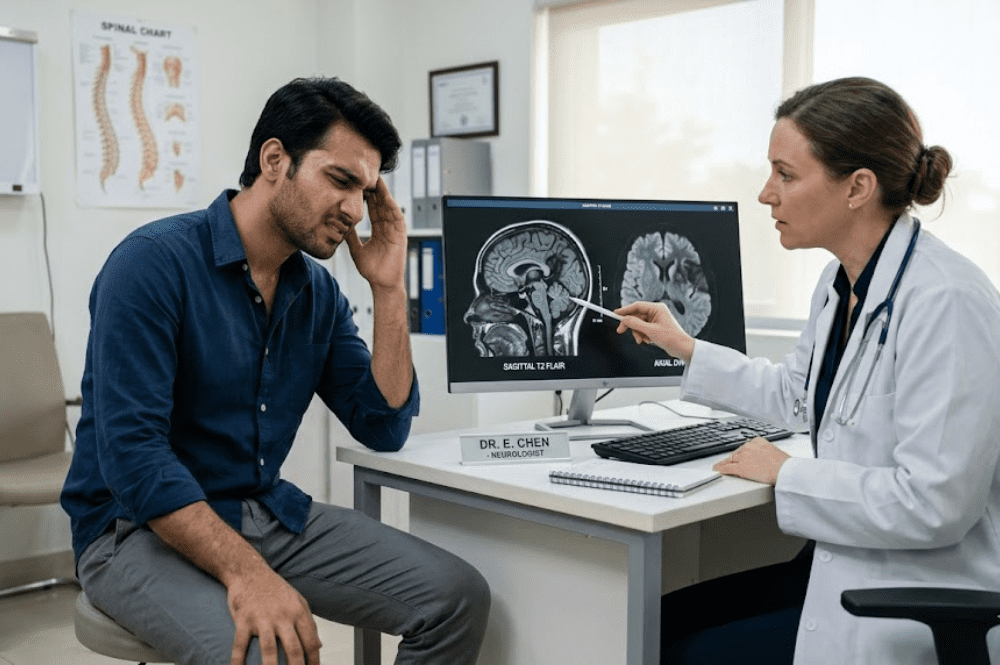
The rise of brain stroke in young adults has become a serious health concern across Pakistan and many other countries. Previously, stroke was viewed as a disease that primarily affected the elderly. However, current healthcare trends indicate a rise in stroke cases among adults aged 20, 30, and 40 years. Healthcare specialists attribute this trend to factors such as poor health behaviors, stress, smoking, obesity, inadequate sleep, and uncontrolled hypertension.
Health statistics worldwide indicate that about 10–15% of stroke cases occur among adults under the age of 50, and the numbers continue to grow annually. Young people often dismiss signs and symptoms of stroke as they assume it only affects the elderly. Sadly, failure to attend to these signs may cause irreversible brain damage, disabilities, or even sudden death.
Another aspect that makes stroke dangerous is its unexpected occurrence. Stressful daily activities, high levels of mental pressure, improper nutrition, and excessive screen time silently raise the risk of stroke among younger generations. The rising rates of stroke among young adults in Pakistan are attributed to lifestyle changes and a lack of frequent health checks.
As an ideal solution for patients who are looking for the best hospital in Lahore, Saleem Memorial Hospital Lahore emphasizes the importance of identifying signs of stroke early enough. It prioritizes emergency stroke treatment, timely diagnosis, and public awareness campaigns.
What is a Brain Stroke?
A brain stroke is a condition that arises due to an interruption in the blood supply to brain cells, resulting in deprivation of oxygen and nutrients. After a few minutes of blood supply obstruction to brain cells, these cells start dying, and this is the reason why stroke is regarded as a medical emergency requiring prompt treatment.
There are two main types of brain strokes: ischemic stroke (a blood clot leads to obstruction in the blood supply to the brain), and hemorrhagic stroke (bursting of brain vessels causing bleeding). Both kinds of brain strokes can severely influence functions such as speech, movement, memory, balance, and other brain processes. In extreme situations, strokes can result in disability and even death if left untreated. This information about strokes will help people realize their seriousness and urgency.
Why Brain Stroke Cases Are Rising in Young Adults
Doctors and health experts are increasingly concerned about why stroke is increasing in young people. Some of the factors that contribute to this current trend are related to the modern lifestyle and health-related issues, especially in young adults, who might consider themselves to be healthy individuals.
Stress can be mentioned as one of the major reasons why people experience problems with their health. Working long hours, being under constant financial pressure, having no time for sleep, and suffering from mental tiredness have a bad influence on blood pressure and the cardiovascular system. Many young adults use fast food and unhealthy nutrition, which leads to such health issues as obesity, diabetes, and high levels of cholesterol.
Some of the key factors that contribute to the rise of stroke patients among young generations include the following:
- High blood pressure in young adults
- Smoking/vaping
- Physical inactivity
- Obesity/healthy/unbalanced diet
- Diabetes/high cholesterol
- Bad sleeping habits
- Excessive stress and anxiety
- Too much time spent in front of electronic screens
Notably, a lack of awareness can be considered another reason why many patients become stroke victims. Younger adults might neglect some warning signals, such as headaches, dizziness, and feeling weak, due to a lack of proper knowledge.
Early Signs of Brain Stroke
Recognizing the early signs of a brain stroke can save a person’s life and reduce the chances of permanent brain damage. Stroke symptoms usually appear suddenly and should never be ignored, especially in young adults who may not consider themselves at risk.
Many people delay medical treatment because they assume symptoms will disappear on their own. However, every minute matters during a stroke because delayed treatment can increase brain cell damage.
Important brain stroke symptoms include:
- Sudden weakness or numbness in the face, arm, or leg
- Face drooping on one side
- Difficulty speaking or understanding words
- Sudden confusion
- Blurred or double vision
- Severe headache without a clear reason
- Loss of balance or coordination
- Dizziness or difficulty walking
Doctors often recommend remembering the word FAST:
- F – Face drooping
- A – Arm weakness
- S – Speech difficulty
- T – Time to seek emergency medical help
Quick medical attention can greatly improve recovery chances. Even temporary symptoms should never be ignored because they may be warning signs of an upcoming major stroke.
How to Prevent Brain Stroke
With the growing number of cases of stroke among younger individuals, awareness about stroke prevention is vital. With easy tips on how to prevent a stroke, one can significantly minimize the possibility of it occurring.
Some of the steps for preventing a brain stroke include:
- Eating a healthy and balanced diet
- Exercising and staying physically active
- Keeping blood pressure and cholesterol at optimal levels
- Not engaging in smoking and vaping
- Maintaining an ideal body mass index
- Getting adequate sleep each night
- Managing stress and anxiety
- Avoiding fast foods and sugar-rich beverages
- Staying hydrated
- Visiting doctors for check-ups
Most young adults avoid seeking preventative care services since they think that they are healthy. Stroke development usually occurs gradually, and even with no symptoms, one could have a high risk.
Brain Stroke Treatment Options
Immediate medical treatment is critical when a stroke occurs. The faster a patient receives treatment, the greater the chances of reducing brain damage and improving recovery. Modern brain stroke treatment focuses on restoring blood flow to the brain, controlling bleeding, and preventing long-term complications.
Treatment usually depends on the type and severity of the stroke. Doctors may use medications to dissolve blood clots, reduce swelling, or control blood pressure. In some cases, surgery may be required, especially if there is bleeding in the brain or a blockage in major blood vessels.
Common brain stroke treatment options include:
- Emergency medications to restore blood flow
- Blood pressure management
- Surgery in severe cases
- Rehabilitation therapy
- Physical therapy for movement recovery
- Speech therapy for communication difficulties
- Long-term lifestyle management
Recovery after a stroke can vary from person to person. Some individuals recover quickly, while others may require months of rehabilitation and medical support. Emotional care and family support are also extremely important during the recovery process.
Conclusion
The growing number of brain stroke in young adults is a serious warning sign that should not be ignored. Modern lifestyles, stress, unhealthy eating habits, and lack of physical activity are increasing stroke risk among younger populations more than ever before.
Being aware of stroke symptoms early in life and being aware of the causes of stroke is a matter of life or death. A lot of strokes can be prevented by making healthier choices in life, regular medical examinations, and treatment of diseases such as high blood pressure and diabetes.
The first thing to do to prevent a stroke is to become aware. Young adults must not think that they are immune to any kind of problem related to stroke and must visit the doctor immediately once symptoms occur. Saleem Memorial Hospital Lahore provides professional help with state-of-the-art medical equipment and treatment options to ensure patient recovery.
FAQs
What are the first signs of brain stroke?
Early signs include sudden weakness, face drooping, speech difficulty, severe headache, dizziness, and loss of balance.
Can stress cause a stroke?
Chronic stress can increase blood pressure and negatively affect heart and brain health, which may raise stroke risk over time.
Can young, healthy people get strokes?
Yes, even young adults who appear healthy can experience strokes due to hidden risk factors such as stress, hypertension, smoking, or genetic conditions.
Why are so many people having strokes in their 20s?
Strokes in people in their 20s are increasing due to unhealthy lifestyles, stress, smoking, obesity, high blood pressure, poor sleep, and lack of physical activity. Rising screen time and poor eating habits are also contributing factors.
How to avoid strokes?
You can reduce stroke risk by maintaining a healthy diet, exercising regularly, controlling blood pressure, avoiding smoking, managing stress, and getting routine medical checkups.
How to recover from a brain stroke quickly?
Quick recovery from a brain stroke depends on early medical treatment, rehabilitation therapy, healthy lifestyle changes, proper medication, and continuous physical and emotional support.
Why are young people getting a brain stroke?
Young people are getting strokes because of increasing stress, unhealthy diets, smoking, obesity, diabetes, high cholesterol, and sedentary lifestyles. Many also ignore early health warning signs.
What are 80% of strokes caused by?
Around 80% of strokes are caused by blocked blood flow to the brain, known as ischemic strokes. High blood pressure, smoking, diabetes, and cholesterol are major contributing factors.
What are 5 warning signs of a stroke?
Five major warning signs of stroke include:
- Sudden face drooping
- Weakness in the arm or leg
- Difficulty speaking
- Severe headache
- Loss of balance or dizziness
Immediate medical attention is important if these symptoms appear suddenly.
Which is the best hospital in Lahore for stroke treatment?
Hospitals with experienced neurology specialists and emergency stroke care facilities, such as Saleem Memorial Hospital Lahore, are trusted options for stroke diagnosis and treatment.