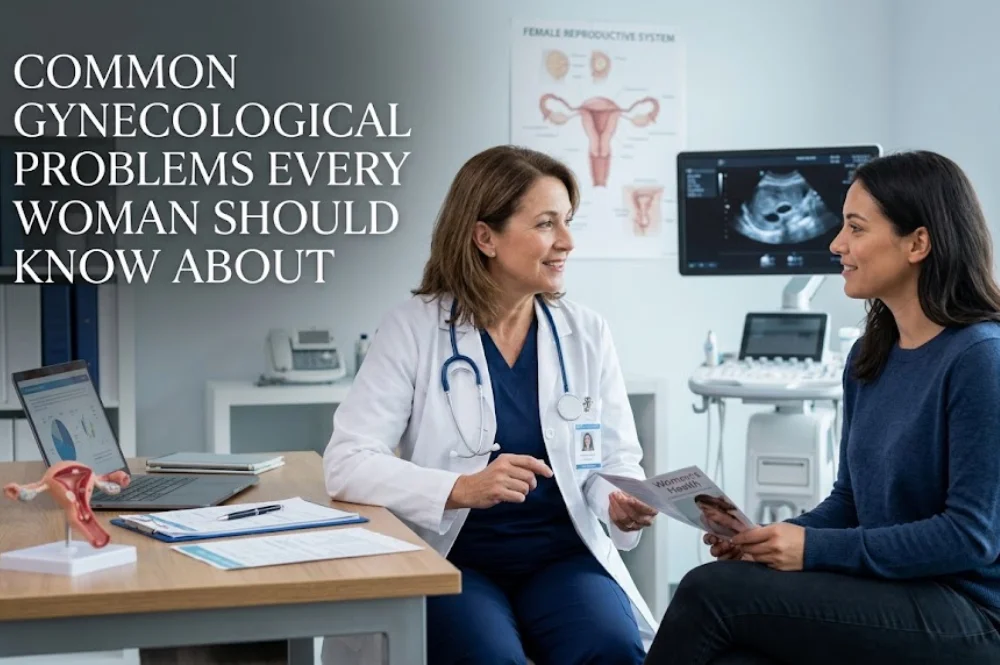
Gynecological health is an important part of a woman’s overall well-being at every stage of life. Women may experience different gynecological problems, from menstrual and hormonal changes to infections, pelvic pain, fertility concerns, and conditions affecting the uterus or ovaries. Some symptoms may be temporary and manageable, while others can indicate an underlying condition that needs medical evaluation.
The common gynecological issues include irregular periods, painful or heavy menstruation, PCOS, endometriosis, fibroids in the uterus, ovarian cysts, vaginal infections, abnormal vaginal discharge, and pelvic pain. Gynecological diseases may impact different women in different ways and may vary in their symptoms depending on the woman’s age, her pregnancy, hormone levels, etc.
It is crucial to pay attention to those symptoms that are persistent, severe, atypical, or are interfering with your daily activities. Painful periods, heavy bleeding, bleeding between periods, persistent pelvic pain, or atypical vaginal discharge may require the evaluation of a gynecologist. According to the World Health Organization, severe, unpredictable, infrequent, or heavy symptoms related to menstruation may indicate some health issues.
Understanding the signs of common gynecological conditions can help women recognize when professional care may be appropriate. Early evaluation can also help identify the cause of symptoms and guide suitable treatment.
Common Menstrual Problems and Hormonal Conditions
Menstrual problems are among the most common gynecological problems in women. A menstrual cycle is regulated by hormones and can vary between individuals. Changes such as irregular periods, missed periods, heavy menstrual bleeding, or painful periods may sometimes occur temporarily, but persistent or disruptive symptoms should not simply be ignored.
There are many causes of irregular periods. Hormonal imbalances, stressful experiences, major weight loss/gain, thyroid issues, pregnancy, and PCOS can all lead to irregularities in menstruation. Some individuals may experience less frequent menstruations, while others may experience unpredictable bleeding. A gynecological examination can provide more information on the cause of changes – it might be either a temporary issue or an underlying problem.
Heavy menstrual bleeding can hinder daily activities and can lead to iron deficiency and anemia. On the other hand, minor cramps are a normal part of menstruation, but strong cramping and worsening period pain may also indicate certain diseases such as endometriosis, adenomyosis, and fibroids. WHO pays attention to severe pain and heavy and/or unpredictable bleeding as symptoms that require further investigation.
Another way in which hormonal issues may affect the menstrual cycle is PCOS, which is considered to be the most common disorder among reproductive-age women. PCOS leads to irregular/absent menstruations, abnormal ovulation, acne, excessive body and facial hair, and trouble conceiving children. Moreover, polycystic ovarian syndrome is often linked to various metabolic issues, like insulin resistance and diabetes.
Because menstrual and hormonal symptoms can have different causes, treatment should be based on an appropriate medical assessment rather than assuming that every irregular or painful period has the same explanation.
PCOS, Endometriosis, Fibroids and Ovarian Cysts
Several conditions affecting the reproductive system can cause symptoms that overlap with common menstrual problems. PCOS, endometriosis, uterine fibroids, and ovarian cysts are among the conditions women may encounter during their reproductive years, although they are different conditions and require different approaches to diagnosis and management.
PCOS is a hormonal and metabolic condition that can affect ovulation and menstrual regularity. Women with PCOS may experience irregular periods, acne, excess facial or body hair, or difficulty becoming pregnant. Importantly, despite its name, ovarian cysts are not required for a PCOS diagnosis. Diagnosis is based on a combination of clinical findings and, when appropriate, blood tests or ultrasound after other causes have been excluded.
Endometriosis occurs when tissue similar to the lining of the uterus grows outside the uterus. It can cause severe menstrual pain, heavy bleeding, chronic pelvic pain, pain during intercourse, bloating, and fertility problems. WHO estimates that endometriosis affects around 10% of women of reproductive age worldwide. Treatment depends on symptoms, severity, individual circumstances, and whether pregnancy is desired.
Uterine fibroids are growths that develop in or around the uterus. They may cause heavy menstrual bleeding, pelvic pressure, abdominal discomfort, or other symptoms depending on their size and location. Some women with fibroids have no noticeable symptoms, while others may need medical treatment.
Ovarian cysts are fluid-filled or tissue-based sacs that develop in or on an ovary. Many ovarian cysts are benign and may resolve without treatment, but some can cause pelvic pain, pressure, or menstrual changes. The appropriate management depends on factors such as the type, size, appearance, symptoms, and the woman’s overall health.
These conditions should not be self-diagnosed based only on symptoms. A gynecologist may recommend a medical history, physical examination, ultrasound, blood tests, or other investigations when needed.
Vaginal Infections, Pelvic Pain and Symptoms Women Should Not Ignore
Vaginal infections or other gynecological problems may lead to the following symptoms: irregular vaginal discharge, itching, burning, vaginal odors, pelvic pain, pain in urination, and sexual activity. The cause may differ; therefore, the approach to treatment should also be grounded in the correct diagnosis, not just taking pills before determining the cause of the problem.
Any changes in vaginal discharge do not necessarily indicate any infection. Nevertheless, if there appears any changes in the color, smell, amount and condition of discharge, especially along with burning, itching, pelvic pain or bleeding, the problem needs consultation of a specialist. There are certain infections which need special treatment, but these symptoms may occur because of some other gynecological problems.
There are many reasons for a woman to suffer from pelvic pain. It may be caused by menstrual problems, ovarian cysts, endometriosis, fibroids, infections, urinary problems, or other diseases of the pelvic region. Severe pelvic pain, especially if it persists, worsens, or is accompanied by unusual bleeding, fever, fainting, etc., should be checked immediately.
Gynecological consultation is needed in cases like: repeated bleeding between periods; unusually heavy menstruation; missed period without any obvious reason; pain during intercourse; repeated vaginal complaints; difficulties with conception.
Saleem Memorial Hospital Lahore has a dedicated Gynaecology & Obstetrics department providing women’s healthcare services through obstetricians and gynecologists. The department covers a range of gynecological and reproductive health concerns, making specialist consultation an option for women who need further assessment of persistent or concerning symptoms.
Gynecologists at Saleem Memorial Hospital Lahore
Saleem Memorial Hospital, Lahore, provides specialized gynaecology and obstetrics care for women at different stages of life. The department addresses common concerns such as menstrual disorders, PCOS, infertility, pelvic pain, pregnancy-related issues, high-risk pregnancies, and other gynecological conditions.
The hospital’s listed gynaecology team includes obstetricians and gynaecologists with experience in areas such as infertility, reproductive health, high-risk pregnancy, gynecological surgery, and maternal care. The department also includes specialists in gynecological oncology and fetal medicine.
Women can consult a gynaecologist in Lahore when they experience persistent menstrual problems, pelvic pain, unusual vaginal symptoms, fertility concerns, or pregnancy-related complications. During a consultation, the doctor may review the patient’s medical and menstrual history and recommend an examination, ultrasound, blood tests, or other investigations when appropriate.
For women looking for comprehensive gynecological care in Lahore, SMH provides access to specialist consultations and related hospital services within a multidisciplinary healthcare setting.
When Should You See a Gynecologist?
You do not need to wait until a gynecological problem becomes severe before seeking medical advice. A gynecological checkup can help identify the cause of symptoms and determine whether treatment or further testing is required.
You should consider seeing a gynecologist if you experience:
- Very painful or unusually heavy periods
- Irregular or repeatedly missed periods
- Bleeding between periods or after intercourse
- Persistent pelvic or lower abdominal pain
- Unusual vaginal discharge, itching, or burning
- Pain during intercourse
- Symptoms associated with PCOS or endometriosis
- Difficulty becoming pregnant
- Menopausal symptoms affecting daily life
- Pregnancy-related concerns or complications
Symptoms can have more than one cause, so self-diagnosis should be avoided. The gynecologist will be able to evaluate the symptoms and determine the investigations and treatment that are needed.
Also, regular check-ups are required, especially when preventive services are indicated according to the age of the patient and personal risks. In case of acute symptoms, especially when associated with heavy bleeding, fainting, fever, or severe pain in the abdomen, medical assistance must be sought.
FAQs
What are the most common gynecological problems?
Common gynecological problems include irregular periods, heavy or painful menstruation, PCOS, endometriosis, fibroids, ovarian cysts, vaginal infections, pelvic pain, infertility, and menopause-related symptoms.
When should I see a gynecologist?
You should see a gynecologist for persistent or severe pelvic pain, unusual bleeding, irregular periods, abnormal vaginal discharge, fertility concerns, or other symptoms affecting your reproductive health.
Are irregular periods always a sign of a health problem?
Not always. Menstrual cycles can change because of stress, hormonal changes, weight changes, pregnancy, medications, or other factors. However, repeated or unexplained irregular periods should be evaluated by a healthcare professional.
Can PCOS affect fertility?
Yes. PCOS can interfere with ovulation and may make it more difficult to become pregnant. However, appropriate management and fertility treatment can help many women with PCOS achieve pregnancy.
What causes pelvic pain in women?
Pelvic pain can have several causes, including menstrual problems, endometriosis, ovarian cysts, fibroids, infections, urinary conditions, and other pelvic disorders. Persistent or severe pain should be medically evaluated.
Can gynecological problems be treated?
Many gynecological conditions can be managed or treated with medication, lifestyle changes, hormonal treatment, antibiotics when appropriate, fertility treatment, or surgical procedures. Treatment depends on the specific condition and the individual patient’s needs.
Where can I get gynecological care in Lahore?
Saleem Memorial Hospital Lahore provides gynaecology and obstetrics services for menstrual, reproductive, pregnancy-related, and other women’s health concerns. Patients can consult the hospital’s gynaecology specialists for assessment and appropriate care.