Major Challenges Affecting Society and Public Health
Pakistan is a country full of opportunities, talent, and cultural diversity, yet it continues to face several social and economic challenges that affect millions of people every day. Understanding the current social issues in Pakistan is important because these challenges influence healthcare, education, employment, economic stability, and overall quality of life.
Over the past few years, factors such as rising inflation, unemployment, population growth, environmental concerns, and healthcare challenges have become major topics of discussion. These current issues of Pakistan not only affect individuals and families but also impact the country’s long-term development and social progress.
The effects of these issues can be seen in daily life, from financial stress and limited access to healthcare to educational inequalities and increasing mental health concerns. Addressing these challenges requires collective efforts from government institutions, healthcare organizations, educational sectors, and communities.
By understanding the root causes and consequences of these social problems, Pakistan can move toward creating a healthier, more educated, and economically stable society for future generations.
Economic Challenges and Rising Cost of Living
One of the most significant social problems in Pakistan today is the increasing cost of living. Inflation has affected the prices of essential goods and services, making it difficult for many families to manage daily expenses. Rising costs of food, fuel, electricity, education, and healthcare have placed tremendous pressure on household budgets across the country.
At the same time, poverty in Pakistan continues to impact a large portion of the population. Families struggling with limited financial resources often face difficulties accessing quality healthcare, education, and nutritious food. This creates a cycle that can be difficult to break, especially for lower-income communities.
Another major concern is unemployment in Pakistan, particularly among young adults and recent graduates. Many educated individuals face challenges in finding stable employment opportunities that match their qualifications and skills. Youth unemployment not only affects financial security but can also contribute to stress, anxiety, and social instability.
The combination of inflation, poverty, and unemployment has made economic uncertainty one of the most pressing challenges facing Pakistan today. Addressing these issues requires investment in education, job creation, entrepreneurship, and policies that support economic growth while improving living standards for ordinary citizens.
Healthcare and Public Health Challenges
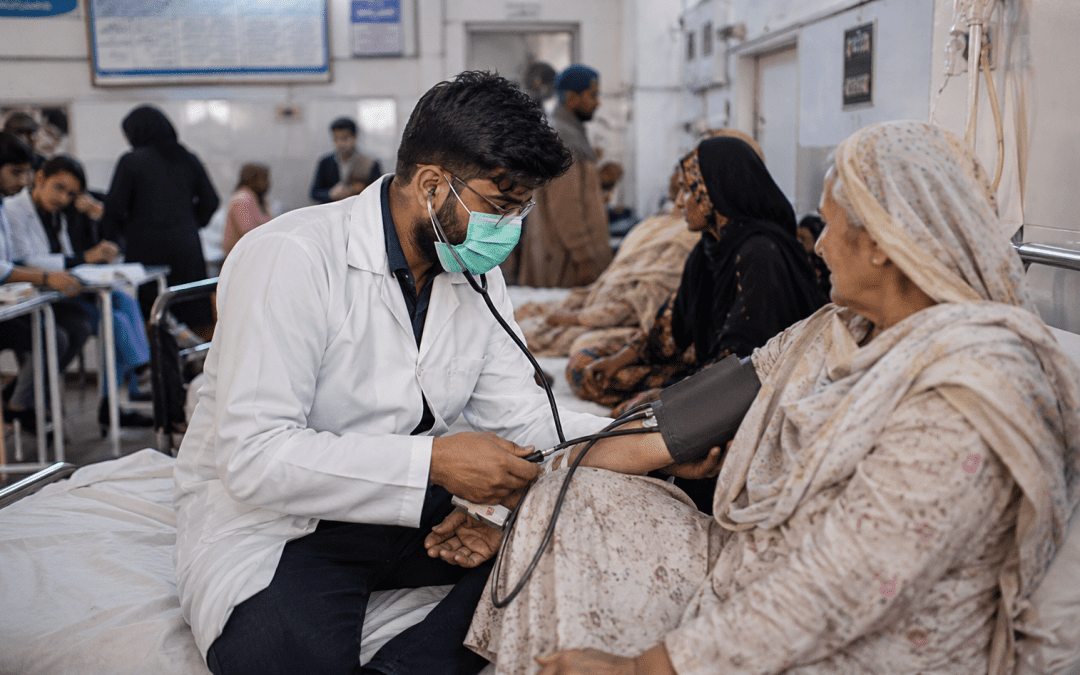
Healthcare remains one of the most important areas requiring attention in Pakistan. Despite improvements in medical facilities and healthcare services, many communities still face barriers to accessing quality medical care. These healthcare challenges in Pakistan affect both urban and rural populations and have significant implications for public well-being.
One of the biggest concerns is the growing burden of chronic diseases. Conditions such as diabetes, obesity, hypertension, heart disease, and kidney disorders are becoming increasingly common. Poor dietary habits, physical inactivity, stress, and lack of preventive healthcare contribute to the rise of these health problems.
Mental health has also emerged as a critical issue. Anxiety, depression, and stress-related disorders are affecting people of all ages, yet awareness and access to mental health support remain limited. Social pressures, financial uncertainty, academic competition, and workplace stress all contribute to the increasing demand for mental health services.
These public health issues in Pakistan highlight the importance of preventive healthcare, regular medical checkups, health education, and improved access to medical services. Strengthening healthcare systems and promoting public awareness can help reduce disease burden and improve overall quality of life for communities throughout the country.
Education, Youth Issues, and Digital Challenges
Education plays a vital role in the development of any nation, yet education issues in Pakistan remain a significant challenge. Although access to education has improved over the years, many students still face barriers such as limited resources, overcrowded classrooms, financial difficulties, and unequal educational opportunities between urban and rural areas.
A growing concern is the increasing number of young people entering the workforce without adequate skills or employment opportunities. Youth unemployment has become a major issue, leaving many graduates struggling to find meaningful jobs despite years of education. This situation often leads to frustration, financial insecurity, and reduced economic productivity.
Another emerging challenge is the impact of technology and social media on young people. While digital platforms provide access to information and communication, excessive screen time and social media use can negatively affect mental health, productivity, and academic performance. Many young individuals experience anxiety, low self-esteem, and social pressure due to unrealistic comparisons and constant online engagement.
Addressing educational gaps, improving vocational training, and promoting healthy digital habits are essential steps toward empowering Pakistan’s youth and preparing them for future opportunities.
Environmental Problems and Their Impact on Health
Environmental concerns are among the most serious current social issues in Pakistan because they directly affect public health and quality of life. Rapid urbanization, population growth, industrial activities, and inadequate waste management have contributed to increasing environmental challenges across the country.
One of the most pressing environmental issues in Pakistan is air pollution. Major cities frequently experience poor air quality due to vehicle emissions, industrial pollution, and seasonal smog. Long-term exposure to polluted air increases the risk of respiratory diseases, heart conditions, allergies, and other health complications.
Water pollution is another significant concern. Contaminated water sources can spread infectious diseases and create serious public health risks, particularly in underserved communities. Climate change is also affecting Pakistan through extreme weather events, heatwaves, floods, and water shortages, placing additional strain on healthcare systems and infrastructure.
Protecting the environment is not only important for sustainability but also for improving public health outcomes. Cleaner air, safe drinking water, and responsible environmental policies can help create healthier communities and reduce the burden of disease.
The Way Forward | Building a Healthier and Stronger Pakistan
Despite the challenges facing the country, there are many opportunities to create positive change and promote social development in Pakistan. Addressing social issues requires collaboration between government institutions, healthcare providers, educational organisations, businesses, and local communities.
Improving access to quality education can help prepare future generations with the knowledge and skills needed for economic growth. Creating employment opportunities and supporting entrepreneurship can reduce poverty and strengthen financial stability for families. At the same time, investments in healthcare infrastructure and preventive medicine can improve healthcare access in Pakistan and reduce the impact of chronic diseases.
Public awareness campaigns are also important in encouraging healthier lifestyles, environmental responsibility, and mental health support. Individuals can contribute by making informed decisions, participating in community initiatives, and promoting positive social change.
Healthcare institutions such as Saleem Memorial Hospital play an important role in supporting community wellbeing through medical services, health education, and preventive care programmes. By working together, Pakistan can address its social challenges and build a healthier, more resilient future for generations to come.
Conclusion
The current social issues in Pakistan are complex and interconnected, affecting every aspect of society, from economic stability and education to healthcare and environmental sustainability. Challenges such as poverty, unemployment, rising healthcare costs, educational inequalities, and pollution continue to impact millions of people across the country.
While these issues may seem overwhelming, they also present opportunities for positive change. Investments in education, healthcare, environmental protection, and economic development can significantly improve the quality of life for future generations. Public awareness, responsible policymaking, and community participation are all essential components of long-term progress.
Addressing these social problems in Pakistan requires a collective effort from government institutions, private organisations, healthcare providers, educators, and citizens. By focusing on sustainable solutions and prioritising human wellbeing, Pakistan can build a stronger, healthier, and more prosperous future.
Read a story about common health issues in Pakistan.
Frequently Asked Questions
What are the current social issues in Pakistan?
The current social issues in Pakistan include poverty, unemployment, inflation, healthcare challenges, education inequalities, environmental pollution, population growth, and mental health concerns. These issues affect economic development and overall quality of life.
What is the biggest social problem in Pakistan today?
Many experts consider poverty and unemployment among the biggest social problems in Pakistan because they influence healthcare access, education opportunities, nutrition, and overall social wellbeing.
How does poverty affect healthcare in Pakistan?
Poverty can limit access to medical care, preventive health services, medications, and proper nutrition. This often leads to delayed treatment and poorer health outcomes for affected populations.
Why is unemployment increasing in Pakistan?
Unemployment is influenced by factors such as population growth, limited job opportunities, economic challenges, skills gaps, and changing market demands. Youth unemployment remains a significant concern.
How does air pollution affect public health?
Air pollution increases the risk of respiratory diseases, asthma, allergies, heart disease, and other health complications. Long-term exposure to poor air quality can significantly impact overall health.
What are the major healthcare challenges in Pakistan?
Major healthcare challenges include limited access to quality medical services, rising rates of chronic diseases, healthcare affordability, shortages of medical resources, and growing mental health concerns.
How can social issues in Pakistan be addressed?
Social issues can be addressed through improved education, economic development, healthcare investment, environmental protection, job creation, public awareness programmes, and community participation.
Why is public health awareness important in Pakistan?
Public health awareness helps people make informed decisions about nutrition, exercise, disease prevention, mental health, and medical care, leading to healthier communities and reduced healthcare burdens.