
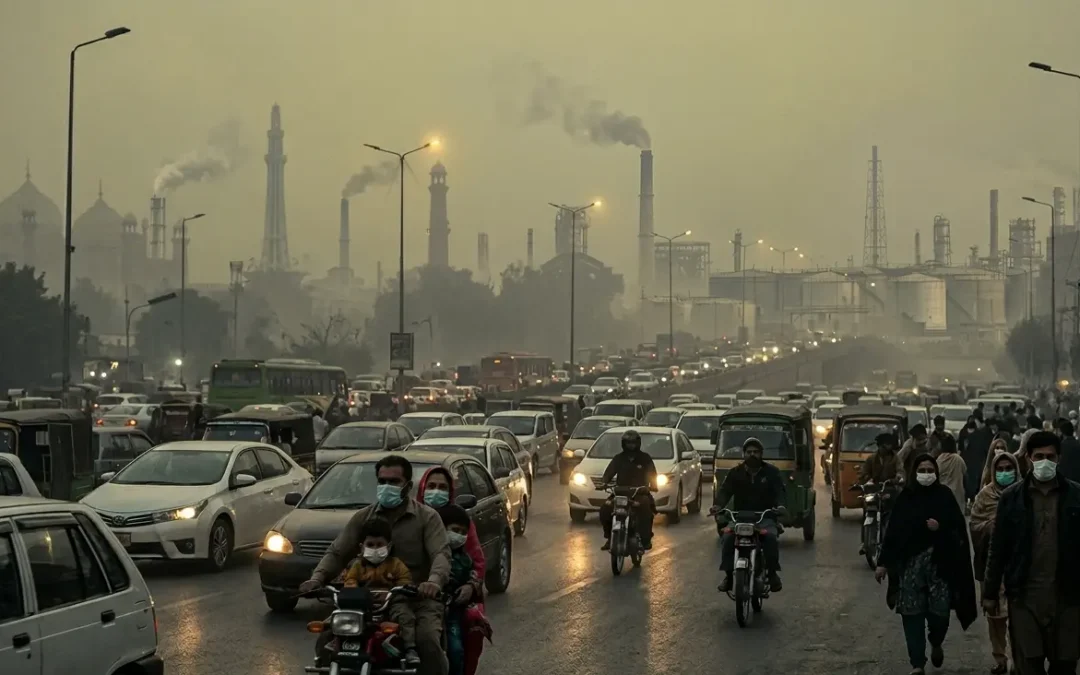
Lahore has consistently ranked among the most polluted cities in the world, especially during the winter months when smog levels rise to dangerous levels. At Saleem Memorial Hospital in Lahore, healthcare professionals are seeing a growing number of patients with respiratory issues linked to poor air quality. Understanding how Lahore’s air pollution affects your lungs is essential for residents exposed to harmful pollutants daily. From traffic emissions to industrial smoke, multiple factors contribute to the city’s declining air quality.
The situation becomes more alarming when pollution levels cross safe limits, particularly during smog season. Fine particulate matter (PM2.5) can penetrate deep into the lungs and even enter the bloodstream, causing both short-term discomfort and long-term health complications. Many people in Lahore experience symptoms such as persistent coughing, throat irritation, and breathing difficulties without realizing that air pollution is the root cause.
With increasing urbanization and environmental challenges, the need for awareness and preventive action has never been greater. Residents must understand the risks associated with polluted air and take necessary precautions to protect their health. By staying informed and proactive, individuals can reduce the harmful effects of pollution and maintain better respiratory health in Lahore’s challenging environment.
What Air Pollution Does to Your Lungs
Air pollution has both immediate and long-term effects on lung health, making it a serious concern for people living in Lahore. In the short term, exposure to polluted air can irritate the respiratory system, leading to symptoms such as coughing, wheezing, shortness of breath, and chest tightness. At Saleem Memorial Hospital, doctors frequently treat patients whose asthma and allergies worsen significantly during high pollution days, especially when smog levels are elevated.
Over time, continuous exposure to polluted air can cause more severe and lasting damage to the lungs. Fine particles and toxic gases can reduce lung function, increase the risk of chronic conditions like bronchitis and chronic obstructive pulmonary disease (COPD), and even contribute to lung infections. Children and older adults are particularly vulnerable, as their respiratory systems are either still developing or already weakened.
In addition to respiratory diseases, long-term exposure to air pollution can also impact overall health by increasing the risk of cardiovascular problems. This highlights the importance of early awareness and preventive care. Seeking timely medical advice from institutions like Saleem Memorial Hospital Lahore, can help detect and manage these conditions before they become more serious.

Who Is Most at Risk?
While air pollution affects everyone, certain groups are more vulnerable to its harmful effects. Children are at a higher risk because their lungs are still developing, and they tend to breathe more rapidly, which increases their exposure to pollutants. At the same time, elderly individuals often have weaker immune systems and pre-existing health conditions, making it harder for their bodies to cope with poor air quality.
People with existing respiratory conditions such as asthma, allergies, or chronic lung diseases are also more likely to experience severe symptoms during high pollution periods. At Saleem Memorial Hospital in Lahore, many patients with asthma report frequent flare-ups during smog season, requiring immediate medical attention and ongoing management. Pregnant women are another sensitive group, as pollution exposure can affect both maternal and fetal health.
Furthermore, individuals who spend long hours outdoors, such as traffic police, construction workers, and street vendors, face continuous exposure to harmful pollutants. Their prolonged contact with polluted air increases the risk of developing chronic respiratory conditions over time. Understanding these risk groups is essential for taking targeted preventive measures and reducing health complications.
Understanding Lahore’s Air Quality Index (AQI)
The Air Quality Index (AQI) is a standardized measure used to indicate how polluted the air is and how it can affect human health. In Lahore, AQI levels often rise to hazardous levels, especially during the winter months when smog becomes more intense. An AQI reading above 100 is considered unhealthy, while levels exceeding 300 are classified as dangerous, posing serious health risks to the general population.
At Saleem Memorial Hospital, doctors advise residents to regularly monitor AQI levels to make informed decisions about outdoor activities. When pollution levels are high, even healthy individuals may experience symptoms such as eye irritation, coughing, and difficulty breathing. For sensitive groups, the impact can be much more severe, requiring medical intervention.
Understanding AQI helps individuals take preventive steps, such as limiting outdoor exposure during peak pollution hours and using protective measures. By staying aware of daily air quality levels, residents of Lahore can better protect their lungs and overall health from the harmful effects of pollution.
Tips to Protect Your Lungs from Pollution
Protecting your lungs from air pollution requires a combination of awareness and practical lifestyle changes. One of the most effective measures is wearing a high-quality mask, such as an N95 mask, when stepping outside during periods of high pollution. Additionally, limiting outdoor activities, especially during peak traffic hours, can significantly reduce exposure to harmful pollutants.
Maintaining a clean indoor environment is equally important. Using air purifiers, keeping windows closed during high smog days, and adding indoor plants can help improve air quality inside your home. At Saleem Memorial Hospital Lahore, experts also recommend staying hydrated and consuming a healthy diet rich in antioxidants, which can help the body combat the effects of pollution.
Regular medical checkups play a crucial role in the early detection and prevention of respiratory issues. If you experience persistent symptoms such as coughing or breathing difficulties, it is important to seek medical advice promptly. Taking these preventive steps can help reduce the impact of pollution and protect your lung health in the long run.

Government and Community Measures in Lahore
Addressing air pollution in Lahore requires collective efforts from both the government and the community. Authorities have introduced measures such as vehicle emission controls, industrial regulations, and public awareness campaigns to reduce pollution levels. Initiatives like promoting green spaces and improving public transportation systems also aim to minimize environmental damage over time.
However, individual responsibility is equally important in tackling this issue. Residents can contribute by reducing vehicle usage, avoiding burning waste, and supporting eco-friendly practices. At Saleem Memorial Hospital, healthcare professionals emphasize the importance of community awareness in creating a healthier environment for everyone.
By working together, both policymakers and citizens can help reduce pollution levels and improve air quality in Lahore. Small changes at the individual level can collectively make a significant difference in protecting public health and ensuring a cleaner future.
Conclusion
Air pollution remains one of the most pressing health challenges in Lahore, affecting thousands of people every day. Understanding its impact on lung health is essential for taking timely and effective preventive measures. From short-term irritation to long-term respiratory diseases, the risks associated with polluted air cannot be ignored.
At Saleem Memorial Hospital in Lahore, the focus is on raising awareness and providing quality healthcare to help individuals manage and prevent pollution-related health issues. By staying informed, monitoring air quality, and adopting protective measures, residents can significantly reduce their exposure to harmful pollutants. Taking proactive steps today can lead to a healthier tomorrow. Protecting your lungs from air pollution is not just a personal responsibility but a necessary step toward improving overall public health in Lahore.
FAQs
What are the main causes of air pollution in Lahore?
Air pollution in Lahore is mainly caused by vehicle emissions, industrial smoke, construction dust, and seasonal crop burning.
Can masks protect against smog?
Yes, high-quality masks like N95 can filter harmful particles and reduce exposure to polluted air.
How does air pollution affect asthma patients?
Air pollution can trigger asthma attacks and worsen symptoms like shortness of breath and wheezing.
When is the best time to go outside in Lahore?
Early morning or late evening may have relatively lower pollution levels, but checking AQI is recommended.
When should I see a doctor for pollution-related symptoms?
If you experience persistent coughing, breathing issues, or chest discomfort, consult specialists at Saleem Memorial Hospital, Lahore.
How does air pollution affect the lungs?
Air pollution irritates the airways and damages lung tissue. It can cause coughing, wheezing, and breathing problems, and long-term exposure may lead to asthma, bronchitis, or reduced lung function.
How bad is the air quality in Lahore?
Air quality in Lahore is often unhealthy to hazardous, especially during smog season, with pollution levels far above safe limits.
Which city is No. 1 in air pollution?
The most polluted city changes frequently, but Lahore often ranks among the top during peak smog periods.
Can lungs recover from air pollution?
Yes, lungs can recover partially if exposure is reduced, but long-term damage may be permanent in severe cases.
How to survive in Lahore’s smog?
Limit outdoor exposure, wear an N95 mask, use air purifiers, and monitor AQI to stay safe.