
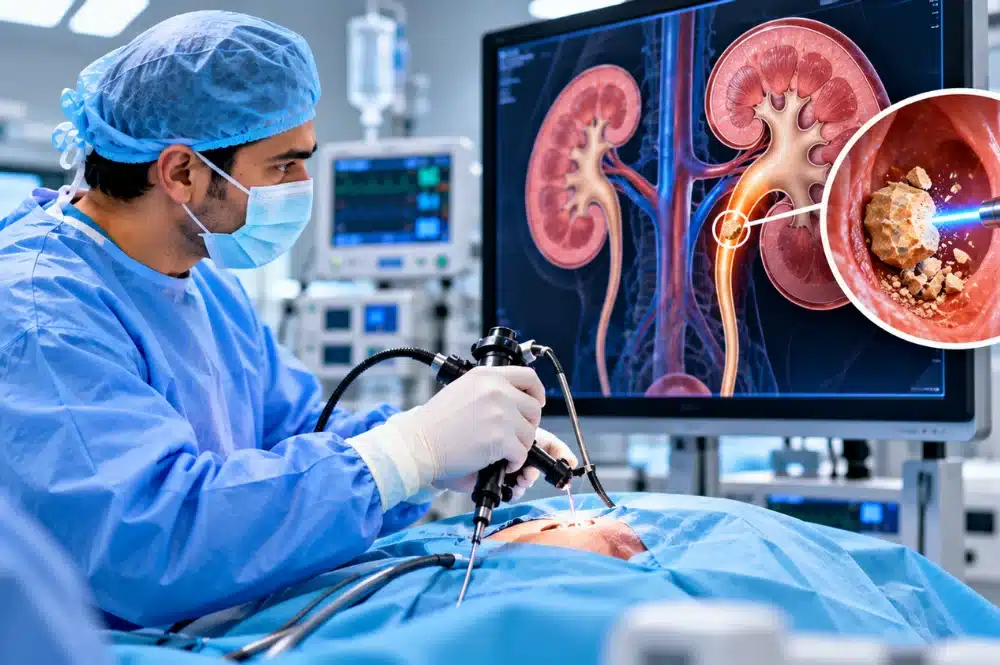
Kidney Stone Treatment in Lahore | When Should You See a Specialist?
Kidney stones are hard deposits of minerals and salts that form inside the kidneys. They can vary in size, from tiny crystals to larger stones that may obstruct urine flow and cause significant pain. Although some kidney stones pass naturally, others require medical treatment depending on their size, location, and associated complications.
Patients seeking kidney stone treatment in Lahore should consult a qualified urologist when they experience persistent pain, urinary problems, or symptoms suggesting a kidney stone. Early diagnosis helps determine whether the stone can pass naturally or requires specialist intervention.
A urologist specializes in diagnosing and treating conditions affecting the urinary tract, including kidney stones, urinary obstruction, and related complications. In Pakistan, patients commonly search for treatment using terms such as Gurday Ki Pathri Ka Ilaj or Pathri Ka Doctor Near Me.
When Should You Consult a Kidney Stone Specialist?
Medical evaluation is recommended if you experience recurring pain in your side or lower back, blood in your urine, painful urination, or difficulty passing urine. Even if the pain improves, a stone may still be present and require follow-up.
Seek emergency medical care if kidney stone symptoms occur with fever, chills, inability to urinate, or severe uncontrolled pain. A blocked urinary tract combined with infection can become a serious medical emergency. At Saleem Memorial Hospital Lahore, patients can seek specialist assessment through the Urology Department to understand their condition and discuss appropriate treatment options.
Common Symptoms and Causes of Kidney Stones
Kidney stone symptoms depend on the stone’s size, location, and whether it obstructs the urinary tract. Small stones may cause no symptoms, while stones moving into the ureter can produce sudden, intense pain.
Common Symptoms of Kidney Stones
The most frequently reported symptoms include:
- Severe side or back pain: Often felt below the ribs and sometimes spreading toward the lower abdomen or groin.
- Blood in urine: Urine may appear pink, red, or brown, although blood is not always visible.
- Painful or frequent urination: Particularly when a stone moves closer to the bladder.
- Nausea and vomiting: Sometimes accompanying intense kidney stone pain.
- Difficulty passing urine: May occur when a stone causes urinary obstruction.
Fever or chills alongside these symptoms may indicate infection and require urgent medical assessment.
What Causes Kidney Stones?
Kidney stones are formed due to the crystallization of certain substances found in the urine as a result of their concentration. These crystals can eventually develop into stones. Factors that may lead to stone formation include low fluid consumption, excessive sodium intake, genetic predisposition, some types of metabolic disorders, and having had kidney stones before.
Different types of kidney stones have different causes. Therefore, identifying the stone type and individual risk factors can help guide treatment and prevention. Patients experiencing recurring symptoms should consult a kidney stone specialist in Lahore for proper evaluation rather than relying on unverified home remedies.
How Are Kidney Stones Diagnosed?
Accurate diagnosis helps determine the stone’s size, location, and possible effect on kidney function. A kidney stone doctor in Lahore generally begins with a review of symptoms, medical history, previous stone episodes, and a physical examination. Depending on the patient’s condition, the specialist may recommend the following investigations:
- Urine tests: Help identify blood, signs of infection, and other urinary abnormalities.
- Blood tests: Assess kidney function and may identify factors contributing to stone formation.
- Ultrasound: Can detect some kidney stones and signs of urinary tract obstruction without radiation exposure.
- Non-contrast CT scan: Provides detailed information about stone size and location and is often used when a more precise assessment is needed.
Not every patient requires every investigation. The choice depends on symptoms, medical history, pregnancy status, and clinical findings.
Why Is Early Diagnosis Important?
The early detection of the kidney stone enables the urologist to decide on observation, medication, or procedures based on certain criteria, including the size of the stone, its location, pain, infection, and kidney function. Certain small kidney stones can pass without any intervention, but some large kidney stones need special treatment. If you suspect yourself having kidney stone issues, then you should visit the Urology Department of Saleem Memorial Hospital, Lahore.
Kidney Stone Treatment Options | Medicine, Laser and Surgery
The appropriate kidney stone treatment in Lahore depends on the stone’s size, location, composition, symptoms, and effect on kidney function. A urologist evaluates these factors before recommending medical treatment or a procedure.
Kidney Stone Treatment Without Surgery
Small stones can naturally be passed through the urine. Based on the clinical status of the patient, the treatment approach will include pain management, adequate hydration, close observation, and use of medication to assist in passing certain stones from the ureter. Nonetheless, all stones cannot pass on their own; some patients may need urgent treatment.
Laser Kidney Stone Treatment
Lasertolithripsy is an example of a minimally invasive procedure that is routinely carried out during ureteroscopy. An expert places an instrument inside the patient’s urinary tract and employs laser light to fragment selected stones. Flexible ureteroscopy, or retrograde intrarenal surgery (RIRS) for selected kidney stones, may be suggested.
Other Kidney Stone Removal Procedures
Additional treatment options include:
- Shock Wave Lithotripsy (SWL): Uses externally generated shock waves to break suitable stones into smaller pieces.
- Percutaneous Nephrolithotomy (PCNL): Removes larger or complex kidney stones through a small incision in the back.
- Ureteroscopy (URS): Uses an endoscope to locate and remove or fragment stones within the ureter.
Not every procedure is suitable for every patient. A urologist considers imaging findings, stone characteristics, and overall health before selecting treatment.
How to Prevent Kidney Stones from Coming Back
Kidney stones can recur, particularly in patients with previous stone episodes, certain medical conditions, or ongoing dietary risk factors. Preventive care focuses on identifying the underlying cause and reducing the likelihood of future stone formation.
Drink Enough Water
Maintaining adequate hydration helps dilute substances in urine that contribute to stone formation. Fluid requirements vary depending on climate, activity level, and medical conditions.
Follow Appropriate Dietary Advice
Consumption of too much salt and ensuring one’s diet is well-balanced could decrease the chances of having certain types of kidney stones. However, individuals are advised not to reduce their dietary intake of calcium without consulting a doctor, as adequate consumption of calcium could help avoid the formation of some types of stones.
Attend Follow-Up Appointments
Patients with recurrent kidney stones may benefit from stone analysis, blood tests, or 24-hour urine testing to identify contributing factors. A kidney stone specialist in Lahore can recommend an individualized prevention plan based on stone composition, medical history, and test results.
Kidney Stone Specialists at Saleem Memorial Hospital Lahore
Saleem Memorial Hospital Lahore has a dedicated Urology Department with consultants experienced in diagnosing and treating kidney stones, urinary tract conditions, and related urological disorders. Patients searching for a kidney stone doctor in Lahore or Gurday Ki Pathri Ka Ilaj can review the following specialists and their documented areas of expertise.
Dr. Haroon Ghous | Urologist
Qualifications: MBBS, FRCSEd, FRCSI, DIRCAD–EITSFR (University of Strasbourg, France).
Dr. Haroon Ghous specializes in endourology, uro-oncology, and andrology. His expertise in endoscopic urological care is relevant to the evaluation and management of urinary tract conditions.
Dr. Zubair Cheema | Urologist and Laparoscopic Surgeon
Qualifications: BSc, MBBS (KEMC), MD (UK), Fellowship of the Royal College of Surgeons in Urology, Fellowship of the European Board of Urology.
Dr. Zubair Cheema’s expertise includes kidney stone disease, prostate disorders, laparoscopic and minimally invasive surgery, urinary tract infections, and men’s health.
Dr. Usama Nawaz | Urologist
Qualifications: MBBS, FRCS (Urology).
Dr. Usama Nawaz specializes in stone diseases, genitourinary reconstruction, male infertility, penile prosthesis procedures, and men’s health.
Dr. Umair Afzal | Urologist and Kidney Transplant Surgeon
Qualifications: MBBS, FCPS (Urology).
Dr. Umair Afzal’s expertise includes renal stone diseases, urological surgery, kidney tumors, bladder and prostate surgery, and kidney transplantation.
Dr. Mujahid Hussain | Consultant Urologist and Renal Transplant Surgeon
Qualifications: MBBS, FCPS (Urology).
Dr. Mujahid Hussain specializes in laparoscopic, robotic, and endoscopic urology, along with renal transplantation.
Dr. Yahya Hasan | Consultant Urologist and Kidney Transplant Surgeon
Qualifications: MBBS, MS (Urology), FACS (USA), CHPE.
Dr. Yahya Hasan’s expertise includes kidney stone procedures such as PCNL and RIRS, ureteric stone treatment through URS and laser URS, bladder stone management, and other minimally invasive urological procedures.
Dr. Muhammad Asif Baloch | Consultant Urologist and Renal Transplant Surgeon
Qualifications: MBBS, FCPS (Urology), FACS (USA), MRCPS (Glasgow).
Dr. Muhammad Asif Baloch specializes in laparoscopic urology, endoscopic procedures, reconstructive urology, and kidney transplantation.
Consult a Kidney Stone Specialist at Saleem Memorial Hospital Lahore
Kidney stone treatment requires an individualized approach based on the stone’s characteristics, symptoms, and overall kidney health. Whether a patient needs medication, monitoring, or a minimally invasive procedure, specialist evaluation helps determine suitable treatment.
Saleem Memorial Hospital Lahore, located on Canal Road, opposite Green Forts II, provides urology consultations for kidney stones and other urinary tract conditions. Patients can contact the hospital to confirm consultant availability and arrange an appointment.
FAQs
What is the best treatment for kidney stones?
The most suitable treatment depends on the stone’s size, location, symptoms, and complications. Small stones may pass naturally, while larger or obstructing stones may require ureteroscopy, laser treatment, SWL, or PCNL.
Can kidney stones pass naturally without surgery?
Yes. Some small kidney stones, particularly those that have entered the ureter, can pass without surgery. However, passage is not guaranteed, and medical monitoring may be necessary.
What are the early symptoms of kidney stones?
Common symptoms include sudden side or back pain, blood in urine, nausea, and painful urination. Some kidney stones cause no noticeable symptoms until they move or obstruct urine flow.
Is laser kidney stone treatment painful?
Laser stone treatment is generally performed under anesthesia, so patients should not feel pain during the procedure. Temporary discomfort, burning during urination, or stent-related symptoms may occur afterward.
When is kidney stone surgery necessary?
A procedure may be needed when a stone is unlikely to pass, causes persistent obstruction or severe pain, affects kidney function, or is associated with complications. An infected, obstructed kidney requires urgent drainage and antibiotics.
Gurday Ki Pathri Ka Ilaj Kis Doctor Se Karwana Chahiye?
Gurday ki pathri ke liye urologist se consult karna chahiye. Urologist pathri ki size, location aur symptoms check karke dawa, laser treatment ya surgery ka mashwara de sakta hai.
How can I prevent kidney stones from forming again?
Drink adequate fluids, limit excessive salt, maintain appropriate dietary calcium, and follow personalized dietary advice. Recurrent stone formers may need stone analysis and metabolic testing.
Which kidney stone specialists are available at Saleem Memorial Hospital Lahore?
Saleem Memorial Hospital Lahore has urologists including Dr. Haroon Ghous, Dr. Zubair Cheema, Dr. Usama Nawaz, Dr. Umair Afzal, and Dr. Yahya Hasan, with expertise in kidney stone disease, endoscopic procedures, and minimally invasive urological care.