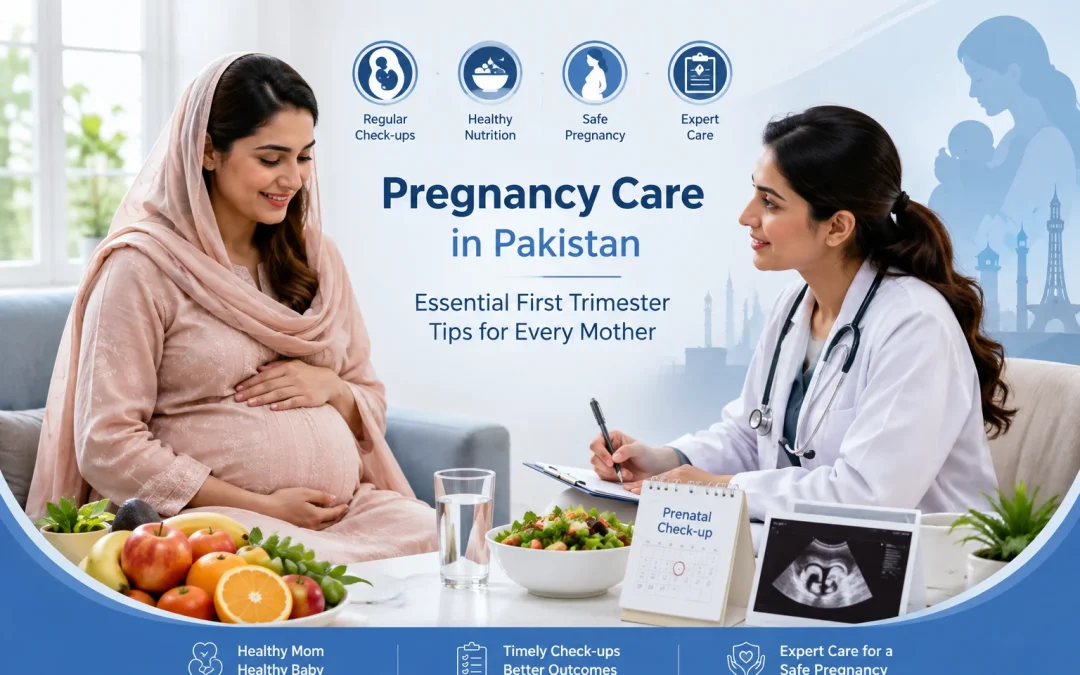
Pregnancy Care in Pakistan Starts from the First Trimester
Pregnancy is an exciting journey, but it also brings significant physical and emotional changes. The first trimester, which includes the first 12 weeks of pregnancy, is one of the most important stages for both the mother and the developing baby. During this period, the baby’s major organs, brain, heart, and spinal cord begin to develop, making proper care essential from the very beginning.
Good pregnancy care in Pakistan starts as soon as pregnancy is confirmed. Early prenatal care helps identify potential health concerns, supports healthy foetal development, and reduces the risk of complications. Unfortunately, many women delay their first pregnancy check-up or rely on home remedies and advice from non-medical sources, which can affect both maternal and foetal health.
Each pregnancy is unique and therefore requires routine monitoring by health professionals. An experienced obstetrician can help monitor the baby’s development, suggest necessary tests, advise on taking prenatal vitamins, and educate the pregnant woman regarding diet, exercise, and other aspects of a healthy pregnancy. Saleem Memorial Hospital, Lahore, has an excellent maternity and obstetrics facility that offers specialised doctors and other services to ensure a healthy pregnancy from conception to delivery.
First Trimester Pregnancy Symptoms | What Is Normal?
The first trimester is often accompanied by hormonal changes that affect the entire body. While many symptoms are completely normal, understanding them can help expectant mothers feel more confident and recognize when medical advice may be needed.
Common First Trimester Symptoms
Morning Sickness
Nausea and vomiting are among the earliest pregnancy symptoms. They usually begin around the sixth week of pregnancy and may continue into the second trimester. Eating small, frequent meals and staying hydrated can help reduce discomfort.
Fatigue
Many women feel unusually tired during early pregnancy because the body is working harder to support the baby’s development. Getting enough sleep and eating nutritious meals can help improve energy levels.
Breast Tenderness
Hormonal changes often cause breasts to become swollen, tender, or more sensitive than usual. This is a common and expected symptom during early pregnancy.
Frequent Urination
As pregnancy hormones increase and blood flow to the kidneys rises, many women notice they need to urinate more often. This is generally normal unless it is accompanied by pain or burning.
Mood Changes
Hormonal fluctuations may lead to emotional ups and downs. Feeling more emotional, anxious, or sensitive is common during the first trimester.
Food Cravings and Food Aversions
Some women develop cravings for certain foods, while others may dislike foods they previously enjoyed. Maintaining a balanced diet is more important than satisfying every craving.
Mild Abdominal Discomfort
Light cramping or a feeling of stretching in the lower abdomen may occur as the uterus begins to expand. Mild discomfort is usually normal, but severe pain should always be assessed by a healthcare professional.
When Should You Be Concerned?
Although most first trimester symptoms are harmless, seek immediate medical attention if you experience:
- Heavy vaginal bleeding
- Severe abdominal or pelvic pain
- Persistent vomiting that prevents eating or drinking
- High fever
- Fainting or loss of consciousness
- Severe dizziness
- Fluid leakage from the vagina
Prompt medical evaluation can help protect both the mother and the developing baby.
Essential Pregnancy Care Tips During the First Trimester
The habits you develop during the first trimester can have a lasting impact on your pregnancy. Following healthy lifestyle practices and attending regular prenatal appointments help reduce complications and support your baby’s healthy growth.
Schedule Your First Prenatal Visit Early
Book your first pregnancy check-up as soon as you confirm your pregnancy. Early antenatal care allows your doctor to estimate your due date, assess your overall health, recommend necessary blood tests and ultrasound scans, and identify any medical conditions that require monitoring.
Take Folic Acid and Prenatal Vitamins
Folic acid is one of the most important supplements during early pregnancy because it helps reduce the risk of neural tube defects in the developing baby. Your doctor may also recommend iron, calcium, vitamin D, and other prenatal vitamins based on your individual needs.
Eat a Balanced and Nutritious Diet
A healthy pregnancy diet should include:
- Fresh fruits and vegetables
- Whole grains
- Lean protein such as chicken, fish, eggs, and legumes
- Dairy products rich in calcium
- Nuts and seeds for healthy fats
Eating a variety of nutrient-rich foods supports your baby’s development and helps maintain your own health throughout pregnancy.
Stay Hydrated
Drink plenty of water throughout the day to support circulation, digestion, and amniotic fluid production. Proper hydration may also help reduce constipation and fatigue.
Get Enough Rest
Fatigue is common during early pregnancy. Aim for 7–9 hours of sleep each night and allow yourself time to rest during the day if needed.
Stay Physically Active
If your pregnancy is uncomplicated, light activities such as walking or prenatal exercises recommended by your doctor can improve circulation, reduce stress, and promote overall well-being. Always consult your healthcare provider before starting or continuing an exercise routine.
Avoid Smoking, Alcohol, and Self-Medication
Smoking, alcohol, and recreational drugs can seriously affect your baby’s development. Do not take any medication, herbal remedy, or dietary supplement without consulting your obstetrician, as some substances may not be safe during pregnancy.
Attend All Scheduled Pregnancy Check-ups
Regular prenatal visits help monitor your baby’s growth, detect potential complications early, and provide an opportunity to discuss any concerns with your healthcare provider. Consistent medical care is one of the most important steps in ensuring a healthy pregnancy for both mother and baby.
Foods to Eat and Foods to Avoid During the First Trimester
A healthy diet is one of the most important parts of pregnancy care in Pakistan. During the first three months, your baby depends entirely on the nutrients you consume for healthy growth and development. Eating a balanced diet also helps reduce fatigue, supports your immune system, and lowers the risk of pregnancy complications.
Best Foods to Eat During the First Trimester
Include these nutritious foods in your daily meals:
Fruits
Fruits provide essential vitamins, minerals, and fibre that support both mother and baby.
Best fruits during pregnancy include:
- Apples
- Bananas
- Oranges
- Guava
- Pomegranates
- Mangoes (in moderation)
- Berries
- Avocados
Vegetables (Sabji)
Green vegetables are rich in folate, iron, calcium, and antioxidants.
Healthy vegetables include:
- Spinach
- Broccoli
- Carrots
- Okra
- Pumpkin
- Sweet potatoes
- Bell peppers
- Green peas
Other Healthy Foods
- Eggs (fully cooked)
- Milk, yoghurt, and cheese made from pasteurised milk
- Chicken and lean meat
- Fish low in mercury
- Lentils and beans
- Whole grains
- Almonds and walnuts
- Plenty of water
Foods to Avoid During the First Trimester
Certain foods may increase the risk of infections or pregnancy complications.
Avoid:
- Raw or undercooked meat and eggs
- Unpasteurised milk and dairy products
- High-mercury fish
- Excess caffeine
- Soft drinks with high sugar content
- Junk food and highly processed snacks
- Alcohol and smoking
- Herbal medicines without medical advice
A well-balanced diet supports healthy foetal development and helps mothers maintain energy throughout pregnancy.
Danger Signs During the First Trimester You Should Never Ignore
While many pregnancy symptoms are normal, some require immediate medical attention. Recognizing these warning signs early can protect both the mother and the baby.
Seek emergency medical care if you experience:
- Heavy vaginal bleeding
- Severe abdominal or pelvic pain
- Persistent vomiting leading to dehydration
- High fever
- Fluid leakage from the vagina
- Severe headache with blurred vision
- Fainting or loss of consciousness
- Severe dizziness
- Pain or burning during urination
- Sudden swelling of the face or hands
Do not ignore these symptoms or rely on home remedies. Prompt medical assessment can help diagnose pregnancy complications such as miscarriage, ectopic pregnancy, infections, or other conditions that require urgent treatment.
Why Regular Pregnancy Check-ups Matter
Regular prenatal visits are one of the most effective ways to ensure a healthy pregnancy. These appointments allow healthcare providers to monitor the baby’s growth, identify complications early, and provide personalised guidance throughout pregnancy.
During routine pregnancy check-ups, your doctor may perform:
- Physical examination
- Blood pressure monitoring
- Blood group and routine blood tests
- Blood sugar screening
- Urine analysis
- Ultrasound scans
- Fetal growth assessment
- Nutritional counseling
- Monitoring of maternal weight and overall health
At Saleem Memorial Hospital, Lahore, expectant mothers receive comprehensive maternity care from experienced obstetricians and gynecologists. The hospital offers modern diagnostic facilities, antenatal check-ups, pregnancy ultrasounds, laboratory services, and personalized care plans to support mothers through every stage of pregnancy. Regular prenatal care not only improves maternal health but also helps ensure the healthy growth and development of the baby.
Conclusion
The first trimester lays the foundation for a healthy pregnancy. Proper nutrition, timely prenatal check-ups, healthy lifestyle habits, and awareness of warning signs can significantly reduce pregnancy-related risks and support your baby’s development. Every expectant mother deserves accurate medical guidance and compassionate care throughout this important journey.
If you are planning a pregnancy or have recently conceived, do not delay your first prenatal visit. Early medical care helps detect potential concerns, ensures healthy fetal development, and gives you the confidence to enjoy your pregnancy safely.
For trusted Pregnancy Care in Pakistan, Saleem Memorial Hospital, Lahore provides comprehensive maternity services, experienced obstetricians, advanced diagnostic facilities, and personalized pregnancy care. From your first prenatal appointment to childbirth, SMH is committed to supporting both mother and baby with safe, evidence-based healthcare.
FAQs
What is the most important care during the first trimester?
The most important aspects of first trimester care include early prenatal check-ups, taking folic acid, eating a balanced diet, staying hydrated, getting adequate rest, and avoiding smoking, alcohol, and self-medication. These steps support healthy fetal development and reduce the risk of complications.
What foods should I eat during the first three months of pregnancy?
Eat a balanced diet that includes fresh fruits, green vegetables, whole grains, lean protein, dairy products, lentils, nuts, and plenty of water. Foods rich in folate, iron, calcium, and protein are especially important during early pregnancy.
Which fruits are best during early pregnancy?
Healthy fruits include apples, bananas, oranges, guava, pomegranates, berries, avocados, and mangoes in moderation. These provide vitamins, fiber, and antioxidants that support both maternal and fetal health.
Which vegetables are safe during pregnancy?
Nutritious vegetables such as spinach, broccoli, carrots, pumpkin, sweet potatoes, okra, green peas, and bell peppers are excellent choices because they provide essential vitamins, minerals, and folate needed for a healthy pregnancy.
What foods should I avoid in the first trimester?
Avoid raw or undercooked meat, raw eggs, unpasteurized dairy products, high-mercury fish, alcohol, excessive caffeine, sugary beverages, processed foods, and herbal medicines unless prescribed by your healthcare provider.
What are the danger signs of pregnancy in the first trimester?
Warning signs include heavy bleeding, severe abdominal pain, persistent vomiting, high fever, severe headache, blurred vision, fainting, fluid leakage, and severe dizziness. Seek immediate medical attention if you experience any of these symptoms.
When should I have my first pregnancy check-up?
You should schedule your first prenatal visit as soon as your pregnancy is confirmed, ideally within the first 6–8 weeks. Early antenatal care helps monitor your health, estimate your due date, and detect any potential complications.
Is walking safe during the first trimester?
Yes. For most women with a healthy pregnancy, light exercise such as walking is safe and beneficial. It improves circulation, supports overall fitness, and may help reduce stress. Always consult your doctor before starting any exercise routine.
What medicines should be avoided during pregnancy?
Do not take prescription medicines, over-the-counter drugs, herbal supplements, or traditional remedies without consulting your obstetrician. Some medications may affect the baby’s development, especially during the first trimester.
Why choose Saleem Memorial Hospital for pregnancy care in Lahore?
Saleem Memorial Hospital, Lahore offers comprehensive maternity and obstetric services, experienced gynecologists, advanced ultrasound and laboratory facilities, personalized antenatal care, and continuous support throughout pregnancy. The hospital focuses on the health and safety of both mother and baby through evidence-based, compassionate care.