
Mental health issues are subtly increasing in Lahore’s busy streets, where everyday tensions and traffic never stop. As 2026 approaches, new data present a concerning reality: a cross-sectional poll of urban Pakistani people reveals that 38% experience mental distress, 57% report clinically relevant depression, and 19.5% mention anxiety. About 35.7% to 36.6% of Pakistanis suffer from common mental illnesses, such as neurotic, depressive, and stress-related disorders. These patterns are mirrored in Lahore, where high rates are caused by social isolation, pollution, economic stress, and a dramatic rise in suicides (at least 116 were recorded in the city in 2025 alone), which points to the importance of early detection of signs of stress, anxiety, and depression.
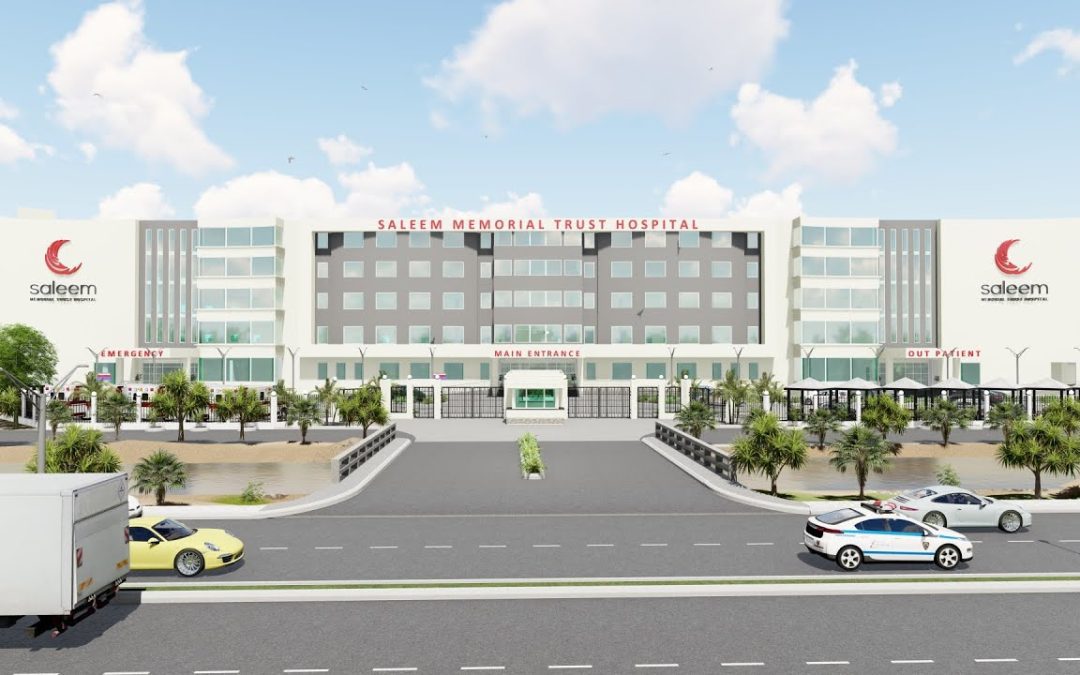
One of the best private hospitals in Lahore, Saleem Memorial Hospital, is steadfastly “Committed to Care,” offering support for our community’s overall well-being in addition to physical health. Being a premier multispecialty center, we see firsthand every day how untreated depression, anxiety, and stress may worsen into life-threatening issues. Understanding the early warning symptoms is crucial in a nation where access to care is restricted (there is only one psychiatrist per 360,000 people) and mental health stigma persists. This article from Saleem Memorial Hospital describes the main symptoms that you should never ignore, clarifies the distinctions between these disorders, and offers advice on when to get medical attention. Please reach out to us promptly if you or someone you care about in Lahore requires compassionate support.
Understanding Stress, Anxiety, and Depression: Key Differences
Before explaining the symptoms, it’s critical to differentiate between stress, anxiety, and depression since, although they may present similarly, they need to be managed differently. Stress is usually a transient reaction to outside demands, such as deadlines at work or obligations to one’s family. Anxiety, on the other hand, is characterized by excessive, ongoing worry that persists even after the stressor has passed. In contrast, depression is characterized by a persistently poor mood and a loss of interest in life.
These disorders frequently interact: anxiety can be brought on by ongoing stress, while depression can result from untreated anxiety. These overlaps are typical in Pakistan, where urban life in places like Lahore intensifies stressors, including traffic jams, unstable economies, and air pollution, which has been connected to elevated anxiety and mood swings. According to a 2025 study, urban dwellers and younger age groups (under 34) in Pakistan are more vulnerable, and women exhibit more severe symptoms.
To clarify, here’s a simple comparison:
| Aspect | Stress | Anxiety | Depression |
| Duration | Short-term, tied to events | Persistent, even without triggers | Long-term (2+ weeks) |
| Key Triggers | Demands like work or finances | Fear of future events | Often no clear trigger |
| Common Symptoms | Irritability, fatigue | Worry, restlessness | Sadness, hopelessness |
| Prevalence in Pakistan | Up to 60.6% in students | 19.5-81.9%, varying by group | 57% in urban adults |
Recognizing these differences early can prevent escalation. Saleem Memorial Hospital, known as the best hospital in Lahore for comprehensive care, offers wellness packages that include screenings to help identify these issues before they worsen.
Key Signs of Stress You Should Not Ignore
Stress is the body’s natural reaction to challenges, but when it becomes chronic, it can harm both mind and body. In Lahore’s fast-paced environment, where daily commutes and professional pressures are routine, many dismiss stress as “normal.” However, ignoring symptoms can lead to burnout or more serious conditions like anxiety and depression.
Physical Signs:
- Pollution and heat often exacerbate frequent headaches or migraines in Pakistan.
- Muscle tension, especially in the neck and shoulders, can lead to pain.
- Despite getting adequate rest or experiencing changes in sleep patterns such as insomnia, fatigue persists.
- Appetite shifts – overeating or loss of hunger – and digestive issues like stomach aches.
Emotional and Mental Signs:
- You may feel overwhelmed or irritable, and you may snap at small things.
- Mood swings, from anxiety to frustration.
- The inability to concentrate or make decisions can negatively impact one’s work or studies.
Behavioral Signs:
- Behavioral signs include social withdrawal and avoidance of friends or family.
- Procrastination or a reliance on unhealthy coping mechanisms, such as increased caffeine or smoking, are also common signs.
- In high-stress urban settings, restlessness or fidgeting are common.
Recent data from 2025 shows that stress affects 60.6% of academic students in Pakistan, with moderate levels being most common. Ignoring these can result in long-term health risks, including weakened immunity. If these persist, consult a professional – Saleem Memorial Hospital offers emergency services and wellness checks to address stress early.
Warning Signs of Anxiety Not to Overlook
Anxiety goes beyond everyday worry; it’s an intense, persistent fear that interferes with daily life. In Pakistan, where economic uncertainties and social expectations are high, anxiety symptoms in Lahore are on the rise, affecting 19.5% to 81.9% in various groups. Many mistake physical symptoms for heart issues, delaying help.
Physical Signs:
- Rapid heartbeat or palpitations, mimicking cardiac problems – always rule out medical causes.
- There may be excessive sweating, trembling, or shortness of breath.
- Chest tightness or dizziness are common symptoms during panic attacks.
Mental Signs:
- Mental signs include racing thoughts or constant worry about the future.
- Restlessness and difficulty focusing can lead to poor performance at work or school.
- Irrational fears, such as social anxiety in crowded Lahore markets, are a common occurrence.
Behavioral Signs:
- Avoidance of situations that trigger anxiety, such as public transport, is one of the behavioral signs.
- Compulsive behaviors, such as repeated checking or reassurance-seeking, may also be present.
- Sleep disturbances, exacerbating fatigue.
With anxiety prevalence at 33.62% on average in community samples and higher in women (45.5%), early intervention is key. At top private hospitals in Lahore like ours, we provide integrated care, including referrals to specialists for anxiety management.
Critical Signs of Depression You Must Recognize
Depression is more than feeling “down”; it’s a debilitating condition that affects thoughts, feelings, and daily functioning. In Pakistan, depressive symptoms are alarmingly high, with 57% in urban adults and 42.66% among students. Urban dwellers and women experience higher rates of unemployment and isolation in Lahore.
Emotional Signs:
- Emotional signs include persistent feelings of sadness, emptiness, or hopelessness.
- Feelings of guilt, worthlessness, or excessive self-blame may also be present.
- There may also be irritability or anger over minor issues.
Physical Signs:
- The patient experiences chronic fatigue, even after resting.
- Sleep changes – insomnia or oversleeping.
- There may be fluctuations in appetite or weight, as well as unexplained aches or pains.
Behavioral Signs:
- Loss of interest in hobbies or activities once enjoyed is a behavioral sign.
- Social withdrawal, which involves isolating from family and friends, is another sign.
- Thoughts of death or suicide – a critical red flag requiring immediate help.
Severe depression affects 27.8% in some studies, with suicide rates climbing to 9.8 per 100,000. Don’t ignore these; seek support promptly.

When Signs Become Serious | Red Flags and When to Seek Help
Not all stress or worry warrants alarm, but persistence is a key indicator. For depression, symptoms should persist for two weeks or more, while for anxiety, they should disrupt daily life. Red flags include severe impact on work, relationships, or self-care; substance abuse; or suicidal thoughts – in Pakistan, with 15-35 daily suicides, this is an emergency.
In the Pakistani context, stigma often prevents seeking help, but awareness is growing. Mental health symptoms in Pakistan affect 25 million, with youth at 15% risk. If signs interfere with life, consult a professional. Emergency rooms at the best hospital in Lahore can provide immediate support.
How Saleem Memorial Hospital Supports Your Mental Well-Being
As one of the top private hospitals in Lahore and the best hospital in Lahore for patient-centered care, Saleem Memorial Hospital is dedicated to addressing mental health holistically. Our multi-specialty services include wellness screening packages for men and women that incorporate mental health assessments, helping detect early signs of stress, anxiety, and depression. In crises, our emergency department offers round-the-clock support, with referrals to psychiatry experts.
We also support underprivileged patients through donations, ensuring access for all. If you’re experiencing anxiety and depression symptoms in Lahore, book an appointment today for compassionate, evidence-based care. Our team is here to guide you toward better mental health.
Conclusion
Ignoring the signs of stress, anxiety, and depression can have profound consequences, but recognizing them early empowers you to take control. In 2026, with mental health awareness in Lahore and Pakistan on the rise, resources like Saleem Memorial Hospital are here to help. You’re not alone – whether it’s symptoms of stress not to ignore, warning signs of anxiety, or signs of depression in adults, professional support can make all the difference.
Contact Saleem Memorial Hospital, one of the top private hospitals in Lahore, for a consultation. Let’s prioritize your mental well-being together.
Frequently Asked Questions
What are the main signs of stress, anxiety, and depression?
Stress includes irritability and fatigue; anxiety features worry and restlessness; depression involves sadness and withdrawal. They often overlap.
How do I know if it’s normal stress or clinical anxiety?
If worry persists without a trigger and affects daily life, it may be anxiety. Consult the best hospital in Lahore for evaluation.
What are common mental health symptoms in Pakistan?
High prevalence includes depression at 57% in urban areas and anxiety at 19.5%, driven by economic and social factors.
When should I seek help for stress and depression?
If symptoms last two weeks or impact functioning, seek help immediately, especially for suicidal thoughts.
Where can I find anxiety and depression symptoms support in Lahore?
Saleem Memorial Hospital, one of the top private hospitals in Lahore, offers screenings and expert care.
Is mental health awareness in Lahore improving?
Yes, but stigma remains. Facilities like ours promote education and accessible services.
What makes Saleem Memorial Hospital the best hospital in Lahore for mental health support?
Our holistic approach, emergency services, and commitment to care set us apart.