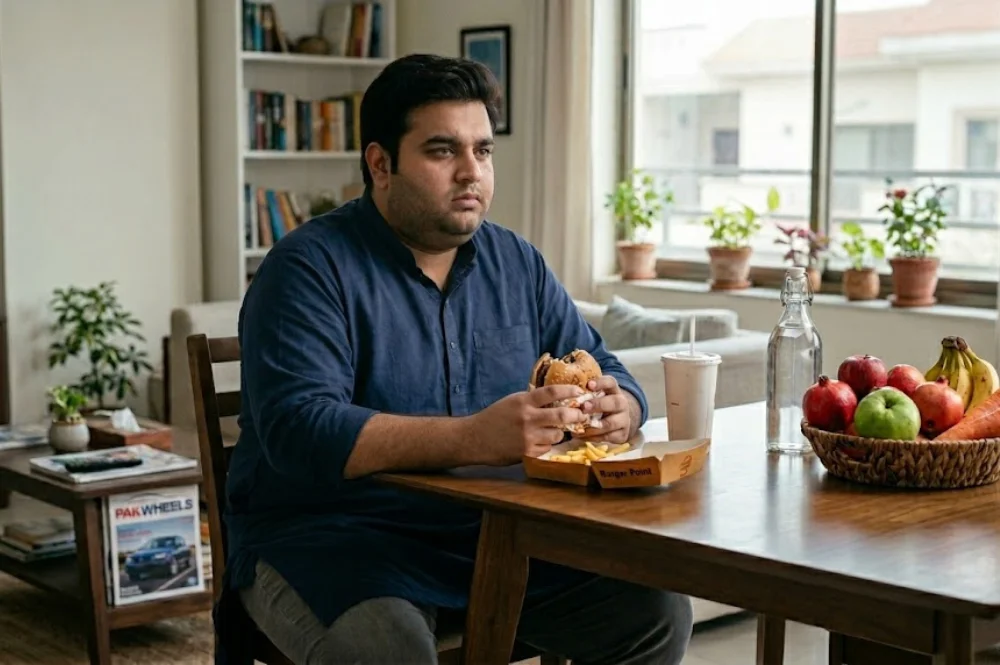
Understanding why obesity is increasing in Pakistan has become more important than ever, as this health issue is rapidly affecting people of all ages. In recent years, Pakistan has seen a noticeable rise in obesity, not only among adults but also in teenagers and young adults. This growing trend is largely linked to changing lifestyles, unhealthy eating habits, and reduced physical activity.
Obesity is no longer just a cosmetic concern; it is a serious medical condition that can lead to multiple long-term health problems. Many people are unaware of how daily habits, such as consuming fast food or avoiding exercise, contribute to gradual weight gain over time. Without proper awareness and timely action, obesity can significantly impact overall health and quality of life.
At Saleem Memorial Hospital Lahore, healthcare professionals emphasize the importance of early awareness and lifestyle management. As a trusted option for those looking for the best hospital in Lahore, the hospital provides guidance and medical support to help individuals manage weight and prevent related health issues effectively.
What is Obesity?
Obesity is a condition in which a person has an excessive amount of body fat that increases the risk of health problems. It is commonly measured using the Body Mass Index (BMI), which is a simple calculation based on a person’s weight and height. A BMI of 30 or higher is generally considered obese.
However, obesity is more than just a number on a scale. It reflects an imbalance between calorie intake and energy use over time. When the body consistently takes in more calories than it burns, the excess energy is stored as fat, leading to weight gain.
This condition can affect various systems in the body and increase the likelihood of developing serious diseases. That is why understanding obesity and its impact is essential for taking early preventive steps and maintaining overall health.
Why is obesity increasing in Pakistan?
The rise in obesity is not happening by chance. There are several contributing factors behind the growing problem, and understanding the causes of obesity in Pakistan can help in addressing it effectively.
One of the major reasons is the increasing consumption of fast food and processed meals. These foods are often high in calories, unhealthy fats, and sugar, making them a leading cause of weight gain. At the same time, physical activity has decreased significantly, especially in urban areas where people spend long hours sitting at desks or using digital devices.
Another important factor is a lack of awareness. Many individuals do not fully understand the long-term impact of obesity on their health. Stress and mental health issues also play a role, as people often turn to unhealthy eating habits as a coping mechanism. In addition, poor sleep patterns and irregular routines further contribute to weight gain.
All these factors combined explain why obesity is increasing in Pakistan, making it a serious public health concern that requires immediate attention and lifestyle changes.
Major Causes of Obesity in Pakistan
To fully understand the growing problem, it is important to look deeper into the causes of weight gain Pakistan is currently facing. Obesity is not caused by a single factor but rather a combination of daily habits and lifestyle choices that gradually lead to unhealthy weight gain.
One of the most common causes is poor dietary habits. Many people rely heavily on fast food, sugary drinks, and processed snacks, which are high in calories but low in nutritional value. These eating patterns, when combined with large portion sizes, contribute significantly to weight gain.
Physical inactivity is another major factor. With the rise of desk jobs, online work, and increased screen time, many individuals are spending most of their day sitting. This lack of movement reduces the number of calories burned, leading to fat accumulation over time.
Urban lifestyle changes have also played a role. Easy access to unhealthy food, busy routines, and limited time for exercise make it difficult for individuals to maintain a balanced lifestyle. In addition, emotional eating due to stress or anxiety has become more common, further contributing to obesity. These combined weight gain causes Pakistan to highlight the need for awareness and lifestyle changes to manage and prevent obesity effectively.
Health Risks of Obesity
Obesity is not just about weight gain; it is closely linked to several serious health conditions that can affect both the quality and length of life. Understanding the health risks of obesity is essential for recognizing why it should not be ignored.
One of the most significant risks is heart disease. Excess body fat puts additional strain on the heart, increasing the chances of high blood pressure and cardiovascular problems. Obesity is also a major risk factor for type 2 diabetes, as it affects the body’s ability to regulate blood sugar levels properly.
In addition, obesity can lead to joint problems, particularly in the knees and back, due to the extra weight the body has to carry. Breathing difficulties, including sleep-related issues, are also common among individuals with obesity.
Beyond physical health, obesity can impact mental well-being. Many individuals experience low self-confidence, stress, or anxiety due to their condition. These effects can further worsen lifestyle habits, creating a cycle that is difficult to break.
By understanding the health risks of obesity, individuals can take proactive steps to improve their health and prevent long-term complications.
Obesity in Young People in Pakistan
One of the most concerning aspects of this issue is the rise of obesity in young people Pakistan. Children, teenagers, and young adults are increasingly being affected, which raises serious concerns about future health outcomes.
Modern lifestyles have greatly influenced this trend. Young people are spending more time on mobile devices, computers, and gaming, which limits their physical activity. Outdoor play and exercise have decreased significantly, leading to a more sedentary routine.
At the same time, unhealthy eating habits are becoming more common. Fast food, sugary snacks, and soft drinks are widely consumed, often replacing balanced home-cooked meals. These habits, when developed at a young age, can lead to long-term health problems.
Academic pressure and lack of sleep also contribute to weight gain in younger individuals. Stress can lead to overeating, while poor sleep disrupts the body’s metabolism, making it easier to gain weight.
The increase in obesity in young people in Pakistan is a serious warning sign. Early intervention, awareness, and healthier lifestyle choices are essential to protect the next generation from long-term health risks.
How to Control Obesity
Managing weight requires consistency, awareness, and a balanced approach to daily habits. Understanding how to control obesity is important because small, steady changes can lead to long-term results. Rather than focusing on quick fixes, it is better to adopt a sustainable lifestyle that supports overall health.
The first step is improving your diet. Choosing fresh, home-cooked meals over processed and fast food can significantly reduce calorie intake while providing essential nutrients. Portion control also plays a key role in preventing overeating.
Regular physical activity is equally important. Simple activities like walking, cycling, or light exercise can help burn calories and improve metabolism. Along with this, maintaining a proper sleep routine supports hormonal balance and prevents unnecessary weight gain.
Stress management is another important factor. Many people tend to eat more when they are stressed or anxious. Finding healthy ways to manage stress, such as relaxation techniques or hobbies, can help break this pattern. Following these obesity prevention tips can help individuals gradually improve their health and maintain a healthier weight over time.
When to Seek Medical Help
While lifestyle changes can help in many cases, there are situations where professional medical guidance becomes necessary. Knowing when to seek help can prevent complications and ensure effective treatment. If weight gain is rapid or continues despite efforts to control it, it may indicate an underlying health issue. Similarly, if obesity is starting to affect daily activities, mobility, or overall well-being, medical attention should not be delayed.
Individuals who experience related health conditions such as high blood pressure, diabetes, or breathing difficulties should consult a healthcare professional. Early diagnosis and proper treatment can help manage these conditions and reduce long-term risks. Consulting experts at a trusted facility, such as the best hospital in Lahore, ensures that patients receive proper evaluation and personalized treatment plans based on their health needs.
Why Choose the Best Hospital in Lahore for Weight Management
Choosing the right healthcare provider is an important step in managing obesity effectively. Professional medical support can provide guidance that goes beyond basic diet and exercise, ensuring safe and long-term results.
At Saleem Memorial Hospital Lahore, patients have access to experienced healthcare professionals who understand the complexities of weight management. The hospital offers comprehensive care, including medical evaluation, nutritional guidance, and support for lifestyle changes.
As a trusted option for those seeking the best hospital in Lahore, the facility is equipped with modern medical equipment and a patient-focused approach. This ensures that individuals receive the right support at every stage of their health journey. Seeking professional care not only improves treatment outcomes but also helps individuals stay motivated and consistent in their efforts to achieve a healthier lifestyle.
Conclusion
Obesity has become a growing health concern, and understanding why obesity is increasing in Pakistan is the first step toward controlling it. With changing lifestyles, unhealthy eating habits, and reduced physical activity, more people are becoming vulnerable to long-term health problems. However, the good news is that obesity can be managed and even prevented with the right awareness and consistent effort.
Making small but meaningful lifestyle changes, such as improving diet, staying active, and managing stress, can significantly impact overall health. Early action is always more effective than waiting for complications to develop.
For individuals who need professional support, seeking guidance from a trusted healthcare provider is essential. Saleem Memorial Hospital Lahore, recognized as one of the best hospitals in Lahore, offers expert care and personalized solutions to help patients manage weight and improve their overall well-being. Taking control of your health today can lead to a healthier and more active future.